Tag: Edward G. Robinson
-
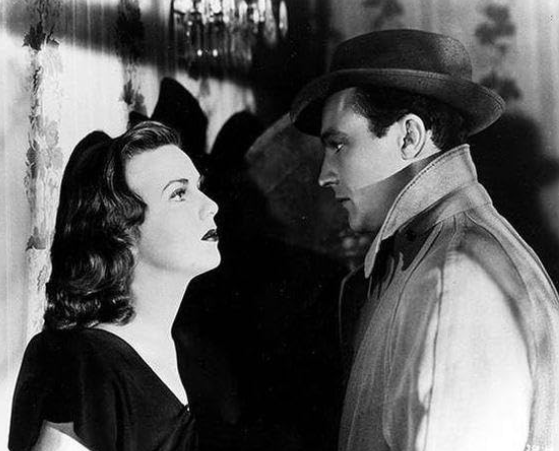
Southern Noir: Where Crime Becomes Inheritance
Noir is usually mapped onto cities — Los Angeles, New York, Chicago — places where corruption hides in plain sight. But move the genre south and something shifts. Crime doesn’t disappear; it festers. Institutions weaken, religion distorts, and violence becomes intimate rather than anonymous. Gothic Noir in Steamy Climates ‘Christmas Holiday’ (1944)Audiences expecting a wholesome…
-
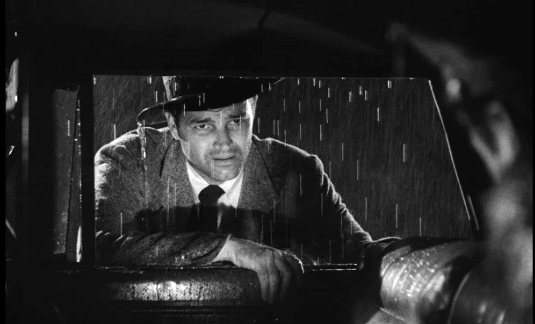
Pure noir exposes crime films’ darkest, most pessimistic core
Noir comes in a number of hybrid varieties, including gangster films, heists, police procedurals and private detective stories. But some noirs don’t use standard crime film types as their foundation. Pure noirs, told from the point of view of characters who are neither career criminals nor law enforcers, plainly reveal the genre’s darkest tenets: that…
-
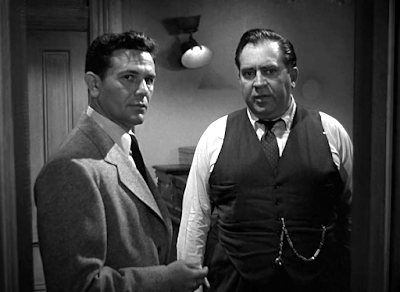
New York noir: 20 films that explore the big city’s dark corners
John Garfield, Thomas Gomez, ‘Force of Evil’ (1948). It might not come as news to you that noirs set in New York City look a lot different from the ones taking place in Los Angeles. The City of Angels is a sun bleached sprawl of low buildings between the ocean and desert. New York is…
-
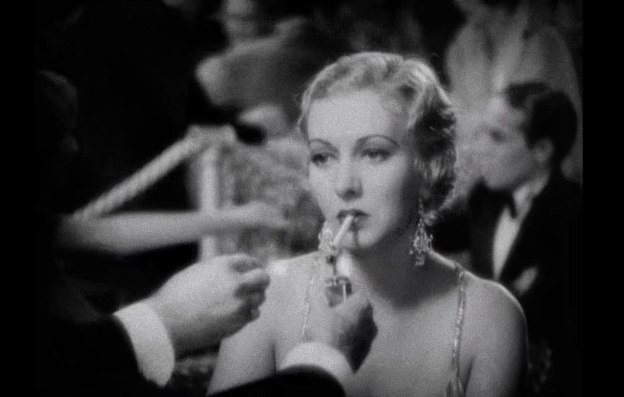
Live it up! 11 essential nightclubs of noir
Karen Morley, ‘Scarface’ (1932) In noir, nightclubs are smokey hideaways where criminality thrives under moody lighting. Ritzier than typical barrooms, they are havens for hedonists and the racketeer elite. Crucial to these nightspots are floorshows. A chanteuse may whisper a torch song designed to torment an ex-lover sitting ringside. Her words spell out jagged details…
-
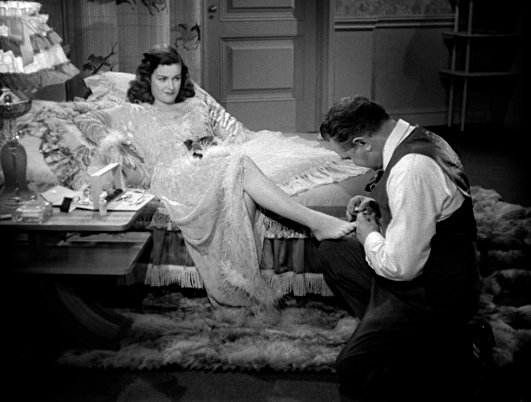
‘Scarlet Street’ at 80: Flirtations with a femme fatale can often lead to trouble — and sometimes murder
At her service. Joan Bennett, Edward G. Robinson, ‘Scarlet Street’ (1945). Contains spoilers When “Scarlet Street” premiered 80 years ago this month it was not uniformly praised by critics, and several cities outright banned it due to its dark content. The film hinted at such taboo topics as sex out of wedlock and prostitution, and…
-
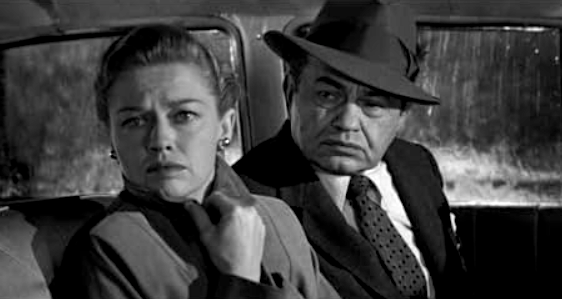
Busted But Not Broken: Greylisted Actor Made Indy Noirs
Edward G. Robinson’s testimony before the House Un-American Activities Committee (HUAC) resulted in his being shunned by the major studios. Instead, he appeared in independently produced Poverty Row films Film Noir: The Dark Side of Cinema XVII [Vice Squad / Black Tuesday / Nightmare] [Blu-ray] He’s no matinee idol, but when Edward G. Robinson is…
-
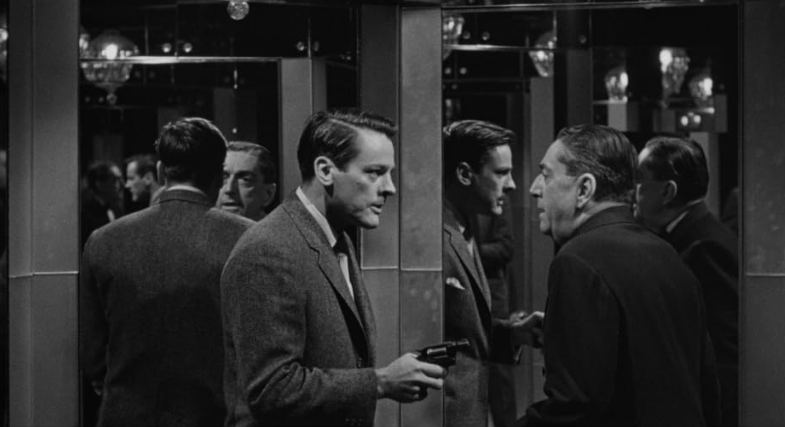
Feverish Dreams, Paranoia? It Must be a Cornell Woolrich Story
Kevin McCarthy, Gage Clarke, “Nightmare” (1956). When it comes to crafting stories of dread and entrapment, Cornell Woolrich stands out among his peers. His darkest work seethes with feverish, paranoid fantasies. Wrongly accused men, caged on death row or free and living under a stifling cloud of suspicion, are driven to prove their innocence. Visions…
-
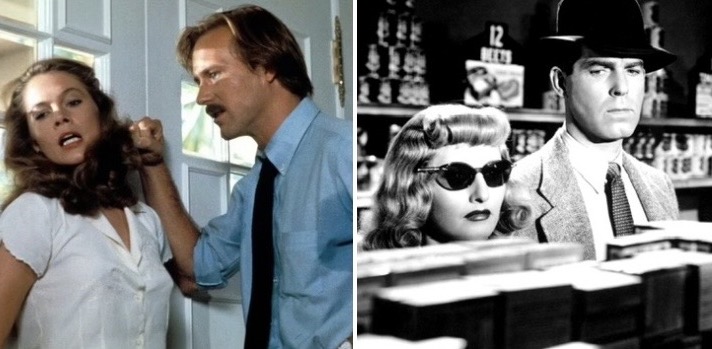
Murderous Couples: ‘Body Heat,’ vs. ‘Double Indemnity’
After I moved to L.A. in 2008 I got together with a Meetup group that was going to see a screening of “Double Indemnity” (1944) at the ArcLight Theater in Hollywood. I was chomping at the bit in anticipation of watching one of my all-time favorite films with a group of cinema enthusiasts. I pictured…
-
The Author Whose Work Launched Multiple Films Noir
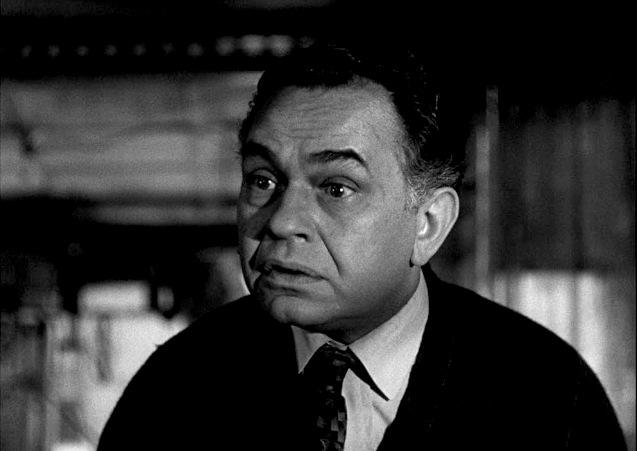
An American author of crime fiction, suspense, horror novels and short stories, Woolrich is best known for his work in the noir genre, and his stories have been adapted into films such as “Rear Window,” “The Leopard Man,” and “Black Angel.” It’s a quirk of fate that such a prolific, influential writer should dwell in…
-
One Step Beyond: Film Noir and the Supernatural
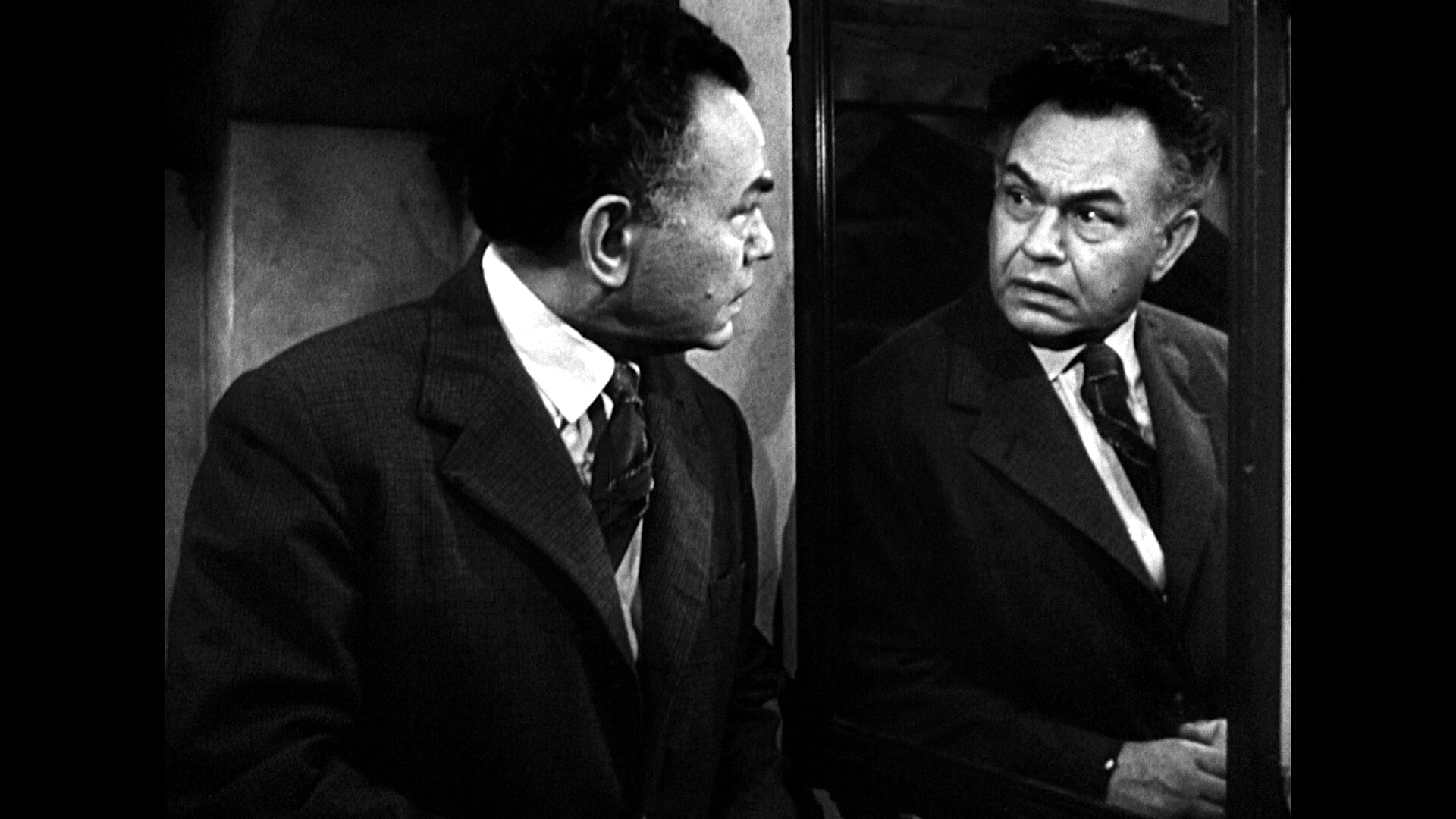
We can all daydream of possessing special powers, because who wouldn’t want greater insight into their life and extraordinary abilities to manipulate the hands of fate? But if there’s one thing that speculative fiction teaches us is that supernatural powers — mind reading, communicating with the dead and other such phenomena — all come with…