Category: film noir
-

Ripped From the Headlines, Part II: A Feast of Murder, Robbery and Exploitation
Cecil Kellaway, John Garfield, Lana Turner, “The Postman Always Rings Twice” (1946). By Paul Parcellin As you’ve probably gathered by now, the 1940s and ’50s saw a bumper crop of sensational tales ready-made for the screen. It was an era when Hollywood greedily harvested stories from news tabloids’ front pages. In the last post, we…
-
Ripped From the Headlines: True Crimes Explode onto the Screen in Noir Movies
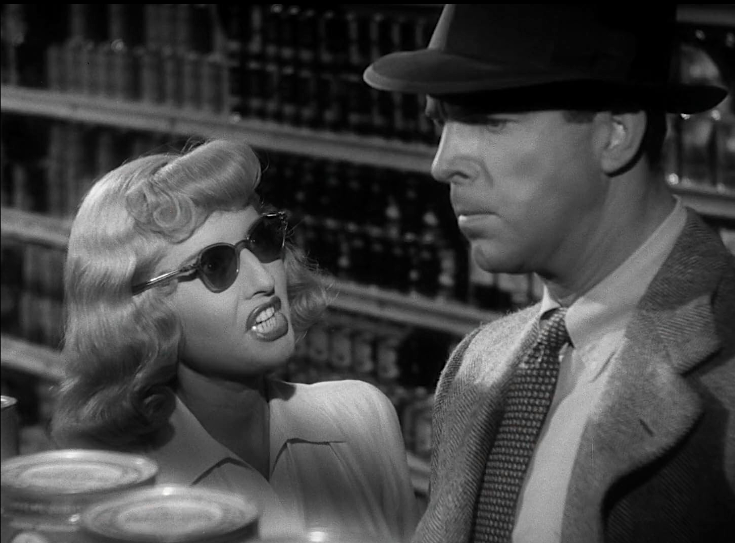
Barbara Stanwyck, Fred MacMurray, “Double Indemnity” (1944) By Paul Parcellin It’s no wonder that Hollywood in the 1940s and ’50s scooped up lurid true crime stories and made hard-hitting, gritty dramas out of them. Following the war, the public’s appetite for rough textured tales could not be surpassed. Cold, savage murders that bled off the…
-
He Directed Gripping Noirs … But You May Not Recognize His Name
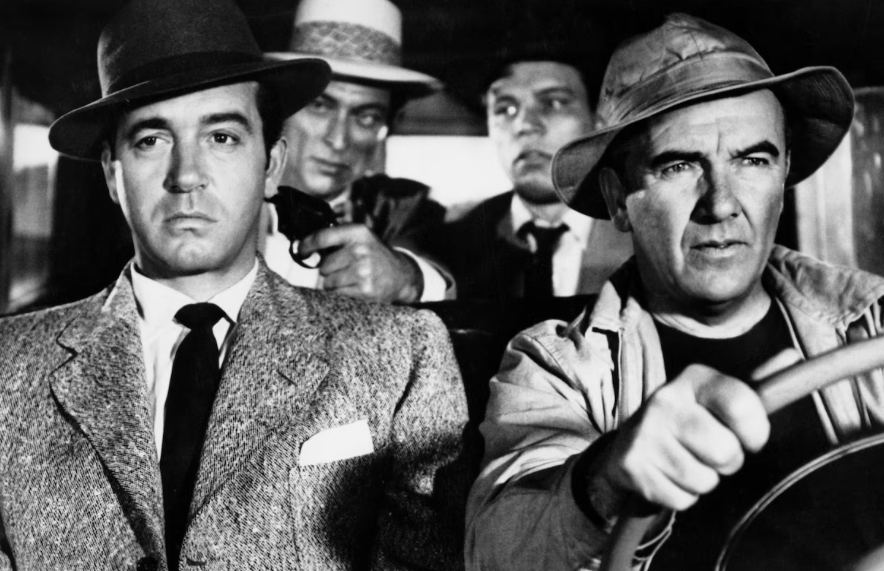
John Payne, Lee Van Cleef, Neville Brand, Preston Foster, “Kansas City Confidential” (1952). By Paul Parcellin Everything seemed to come together for Phil Karlson in the 1950s. It was an era in which his talent, energy and unique sensibilities were made to order for a public with an insatiable appetite for raw, gritty crime films.…
-
Meet the Press: Bullies, Brutes and News Hounds of Noir
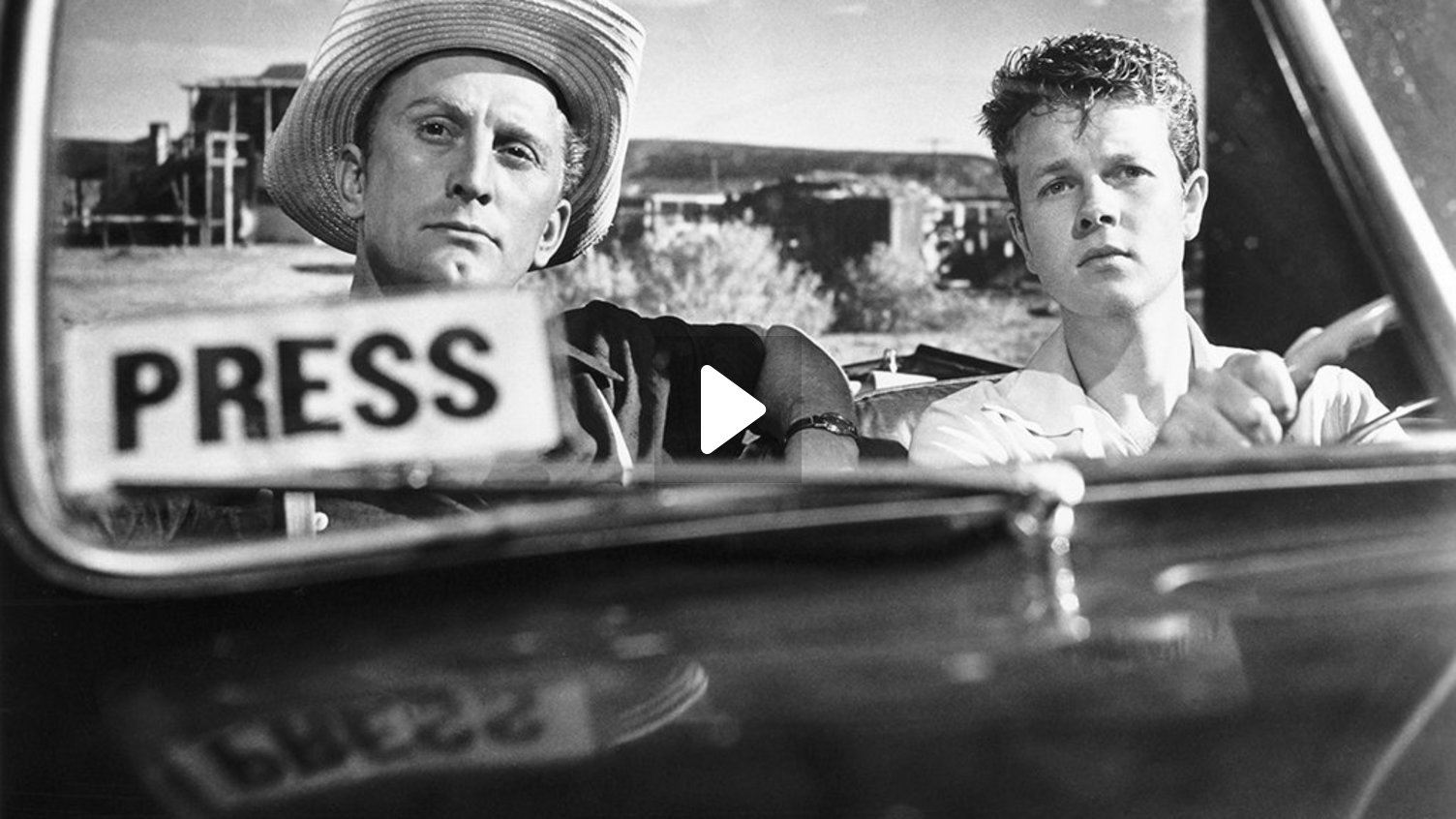
Kirk Douglas, Robert Arthur, ‘Ace in the Hole’ (1951). By Paul Parcellin Gossip, Lurid Facts, Scandal Keep the Tabloid Presses Rolling This article contains spoilers, so you may want to see these films before reading any further. When we see a disheveled, groggy Richard Conte breaking into his own office in the middle of the…
-
Danger Lurks in the Shadows of Noir-Tinged ‘Cat People’
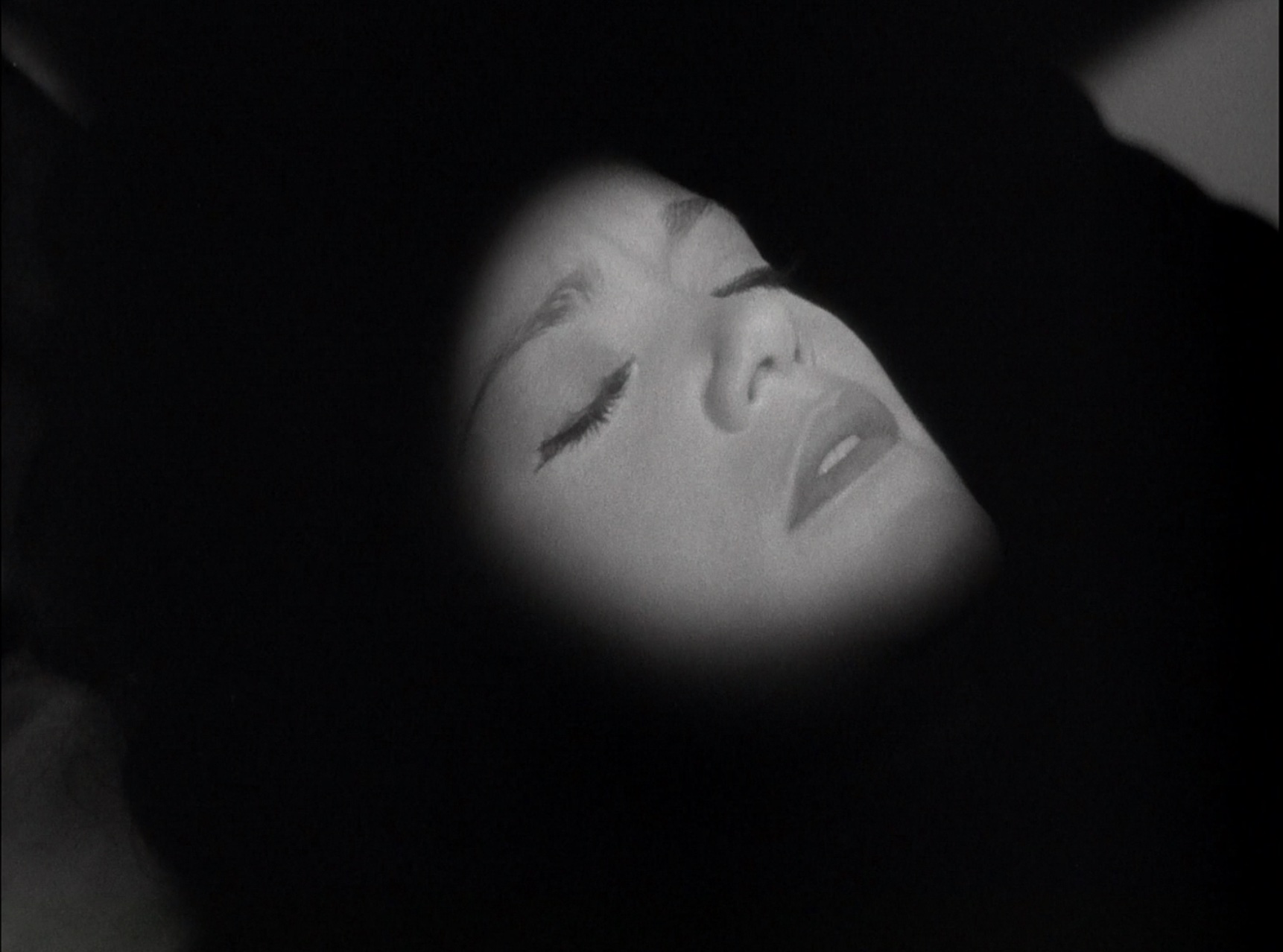
Under hypnosis, Simone Simon, ‘Cat People’ (1942). By Paul Parcellin This article contains spoilers, so you may want to see the film before reading it. Director Jacque Tourneur said “The less you see, the more you believe” and his film, “Cat People” (1942), proves his theory. It shows how a movie can spark an audience’s…
-
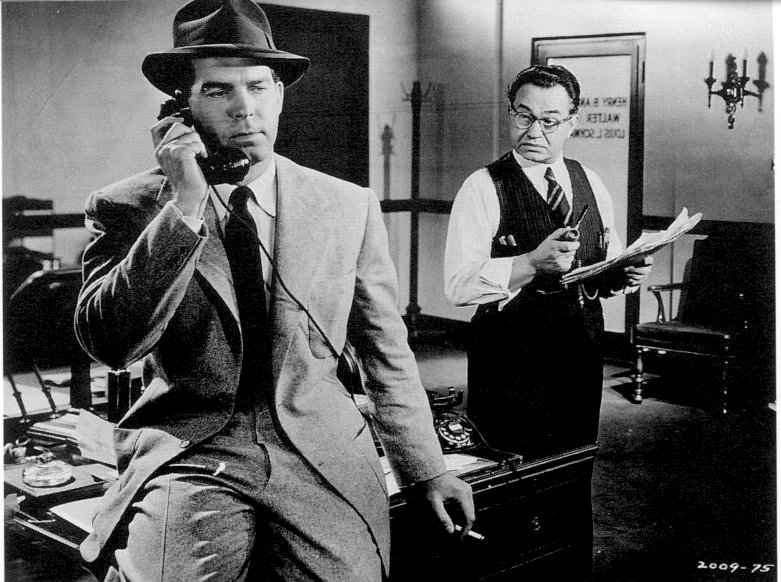
‘Double Indemnity’: Two On a Conveyor Belt Toward Doom
Fred MacMurray, Edward G. Robinson, ‘Double Indemnity’ (1944). This article contains many SPOILERS, so if you haven’t seen the film yet be forewarned. By Paul Parcellin In “Double Indemnity” (1944), housewife Phyllis Dietrichson (Barbara Stanwyck) seduces insurance salesman Walter Neff (Fred MacMurray) and gets him to kill her husband. She’s after a big payout from…
-
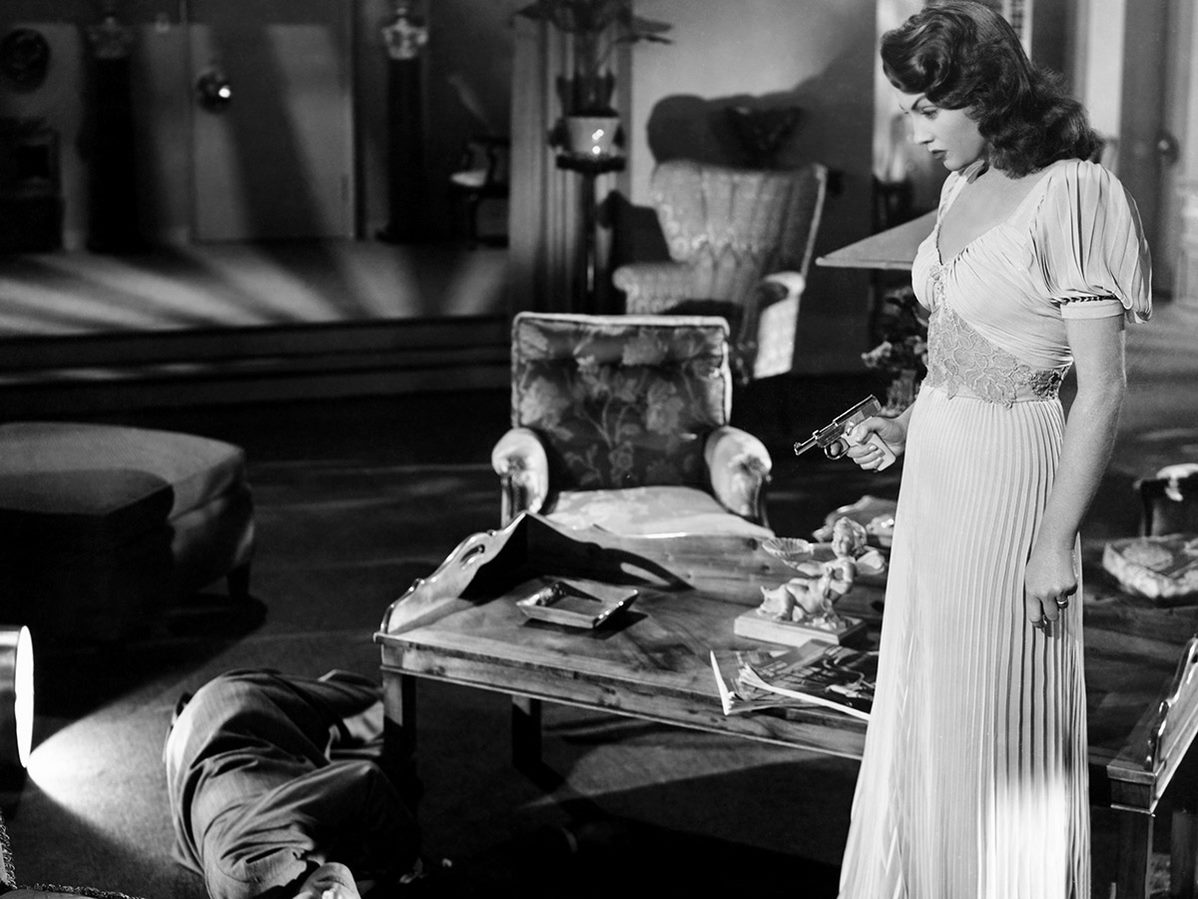
‘Repeat Performance’: Happy New Year! — You’re Dead
Louis Hayward, Joan Leslie, ‘Repeat Performance’ (1947). By Paul Parcellin Sometimes we could all use a do-over, and that’s certainly the case with Sheila Page (Joan Leslie) who’s just capped off her year by turning her husband, Barney (Louis Hayward), into a corpse. But then something supernatural happens. Come midnight New Year’s Eve she finds…
-
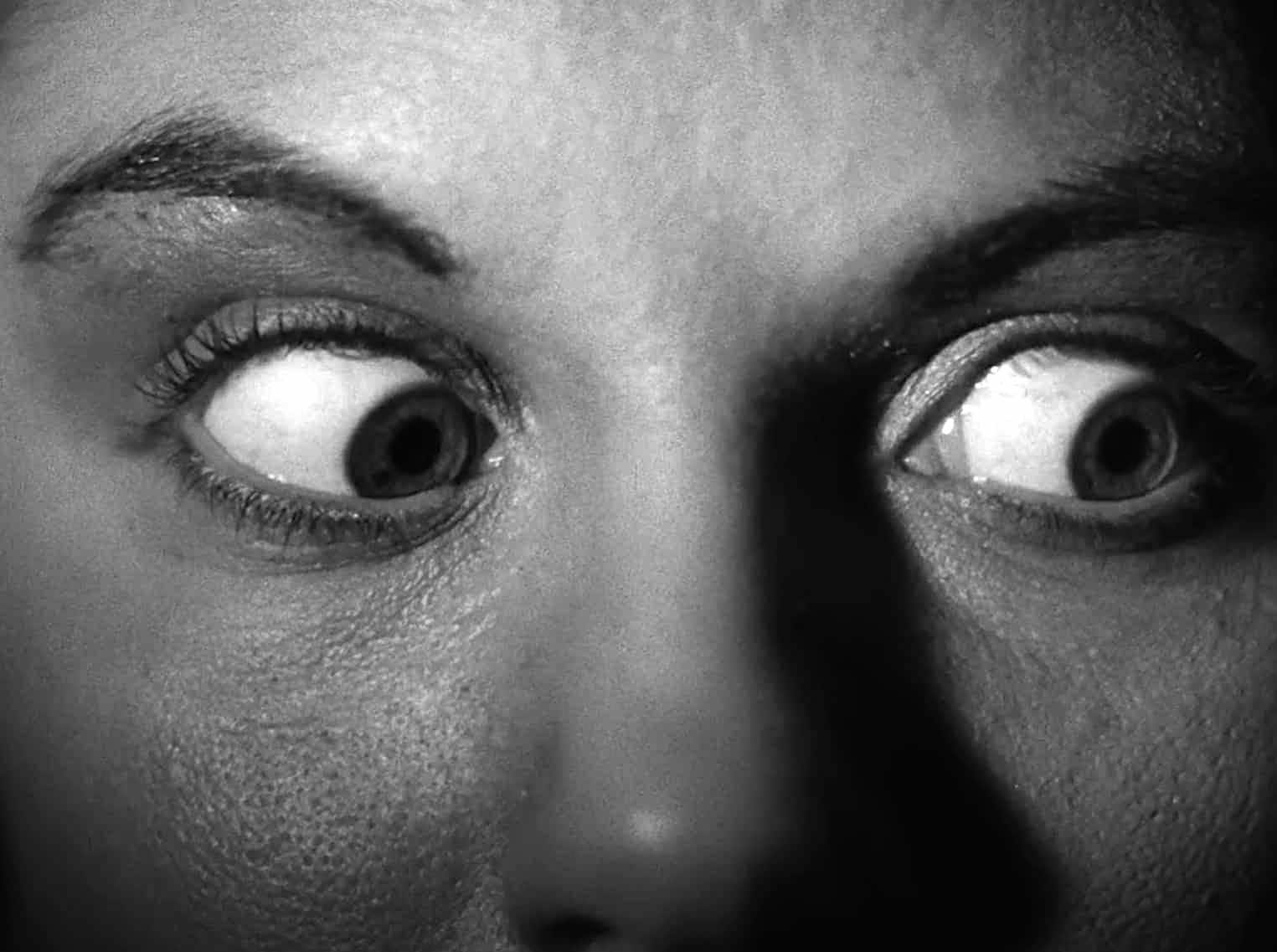
‘Dementia’: A Feverish, Tortured Night on Skid Row
Adrienne Barrett, ‘Dementia’ (1955). “Dementia” (1955) has many of film noir’s hallmarks: a dingy hotel room with a well-worn electric sign outside that nervously flashes off and on, shady characters prowling skid row’s streets and a posh-looking fat man who glides around town in the back seat of his limo. And of course tobacco smoke, deep,…
-
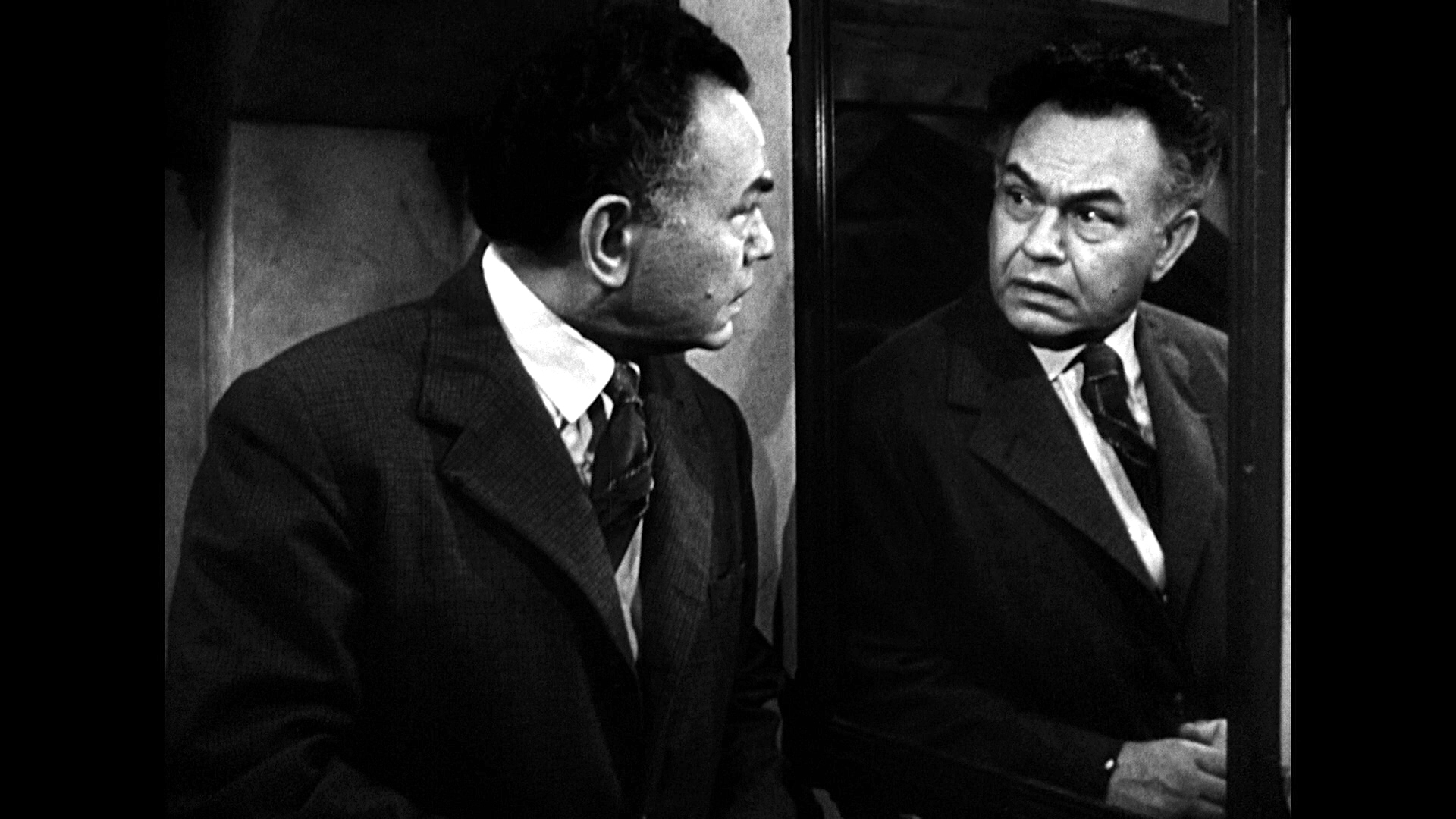
One Step Beyond: Film Noir and the Supernatural
Edward G. Robinson, ‘Night Has a Thousand Eyes’ (1948). We can all daydream of possessing special powers, because who wouldn’t want greater insight into their life and extraordinary abilities to manipulate the hands of fate? But if there’s one thing that speculative fiction teaches us is that supernatural powers — mind reading, communicating with the…
-
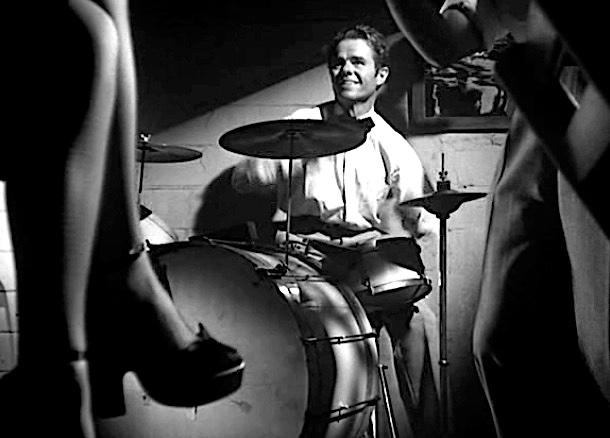
Jazz Mania: Film Noir, Bebop and the Devil’s Music
Elisha Cook Jr., ‘Phantom Lady’ (1944) You might be surprised to learn that jazz didn’t show up in film noir right away even though by the 1940s swing was part of the popular music landscape and bebop was well on its way to becoming a solid American art form. But you wouldn’t know it by watching…