Category: film noir
-
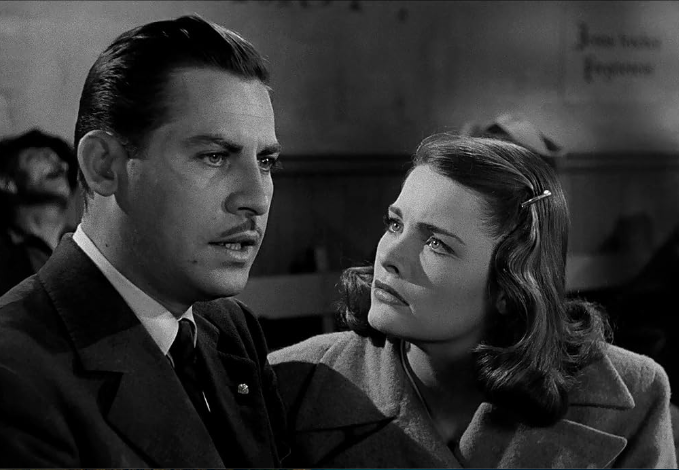
Man From Nowhere: Who is Larry Cravat?
“Somewhere in the Night” (1946) George Taylor (John Hodiak) awakens in a military hospital, and to his horror discovers that his memory has been wiped clean by a serious wound he received in the war. He can’t remember his name or anything of his past, but he hides his amnesia from the doctors to prevent…
-
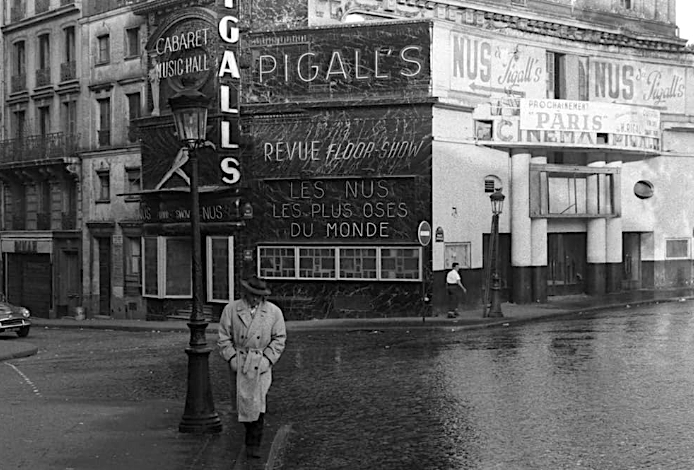
Jean-Pierre Melville’s Dark Visions of Parisian Gangsters
Two films about the Parisian underworld are as different as fire and water. One is awash in old world charm, a nostalgia-tinged tale of the gangsters and gamblers of Montmartre. The other takes place in a Paris at odds with the city’s romanticized past. It’s an icy portrait of an outlaw who’s more a cypher…
-
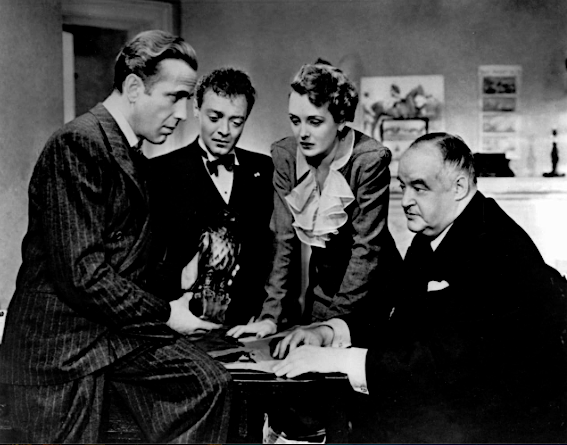
Gumshoe Noir: White Knights, Reluctant Heroes, Rotten Apples
Private eyes, those lone rangers who traverse bleak urban landscapes, are romanticized in books, radio dramas and movies as upholders of right and wrong. They do the dirty work that the cops can’t or won’t touch. Often hired by those who are monied, corrupt, or both, they’re the go-to guys when it comes to cleaning…
-
When Noir Made the Leap From Theaters to Television
The first time I saw a film noir I didn’t know what I was watching. Sure, I could tell that it was a crime film, a detective story, a mystery, but no one I knew called those movies “film noir.” The term was not widely used back then, except by French critics, vintage film fans…
-
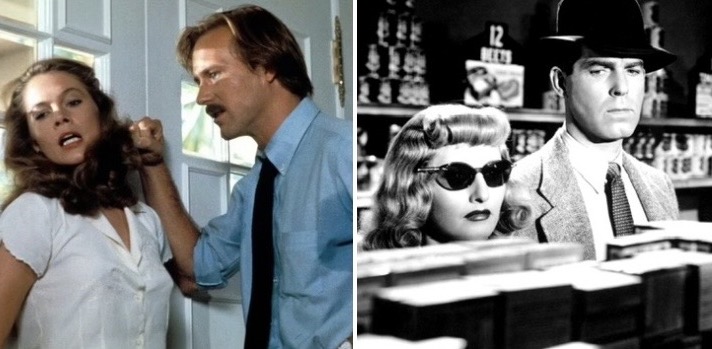
Murderous Couples: ‘Body Heat,’ vs. ‘Double Indemnity’
After I moved to L.A. in 2008 I got together with a Meetup group that was going to see a screening of “Double Indemnity” (1944) at the ArcLight Theater in Hollywood. I was chomping at the bit in anticipation of watching one of my all-time favorite films with a group of cinema enthusiasts. I pictured…
-
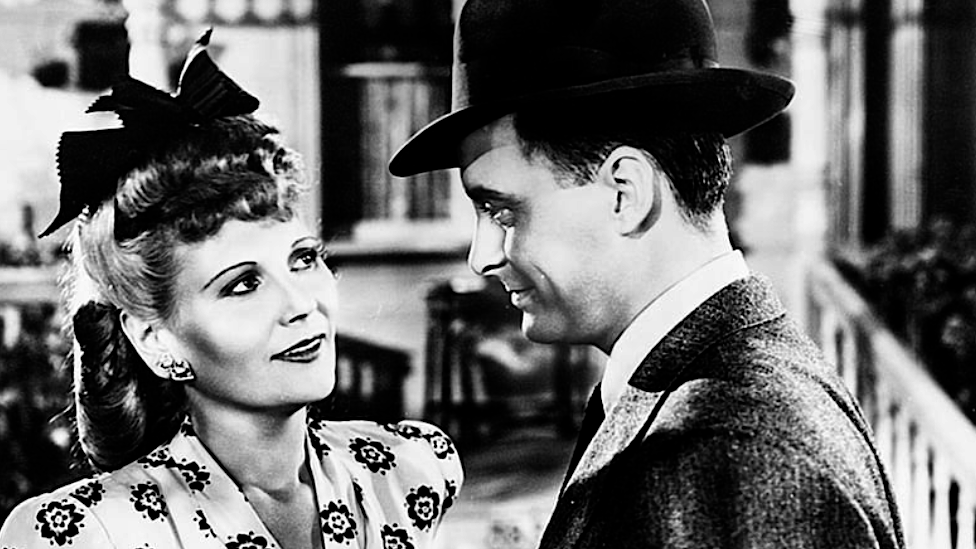
When bargain basement noir thrived in Hollywood
I’m on a Poverty Row tear these days. As you probably know, many of the films made there aren’t quite as polished as the gems turned out by Paramount, Warner Brothers or 20th Century Fox. But they have a certain something that the big budget movies lack: a rag-tag, rough around the edges quality that…
-
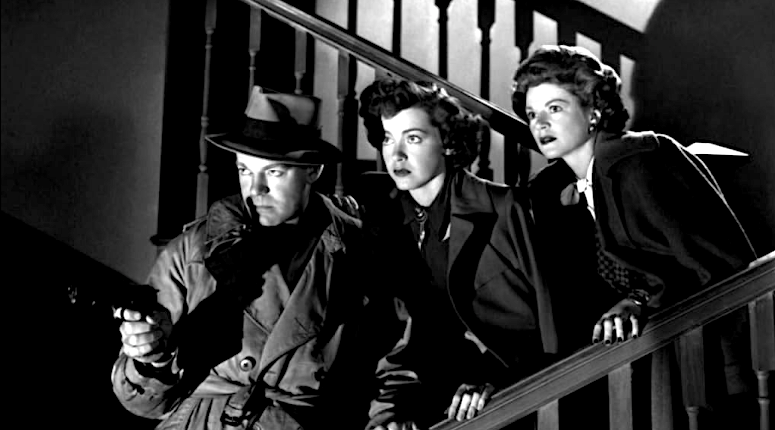
Alton and Mann Threw a New Light on Film Noir
Silhouettes, fog, great pools of inky blackness — that’s a king-sized portion of the visual drama in store when viewing films made by both the ace of noir lighting, John Alton, and the master of dramatic action, Anthony Mann. With his supremely choreographed action scenes, Mann could be directing silent pictures, and that’s not a…
-
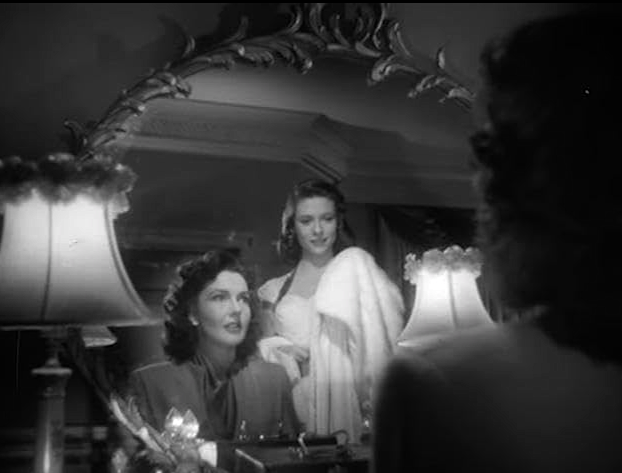
How Three John Alton Films Set a Tantalizing Noir Mood
As legend has it, in the summer of 1923 a 21-year-old John Alton and four friends drove across the country to Los Angeles. They parked in front of the Egyptian Theater on Hollywood Blvd., and in the lobby a Gypsy fortune teller read their palms. Alton’s pals, she said, would seek their fortunes elsewhere, but…
-
Poverty Row II: Scheming Communists Walk Among Us
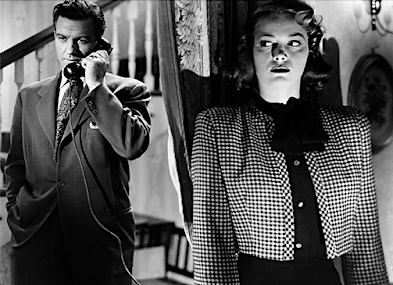
Like many up and coming Hollywood actors, Hugh Beaumont appeared in noir B-pictures before he became better known as an all-American TV dad, and he played some pretty despicable characters, too. But more about that later. From the 1920s to the 1950s, scads of B-pictures were produced by small studios located near the intersection of…
-
When Hollywood’s B-Movie Factories Mined Noir Gold
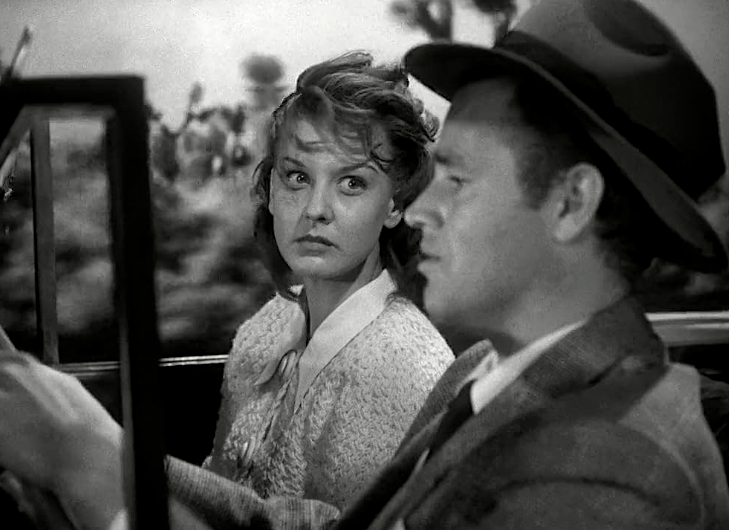
So many westerns were filmed at the small, independently owned studios near the intersection of Sunset Blvd. and Gower St. in Hollywood that people began calling it Gower Gulch. From the 1930s to the ’50s it was the epicenter of low-rent film production and the gaggle of studios there was disparagingly known as Poverty Row.…