Category: film noir
-
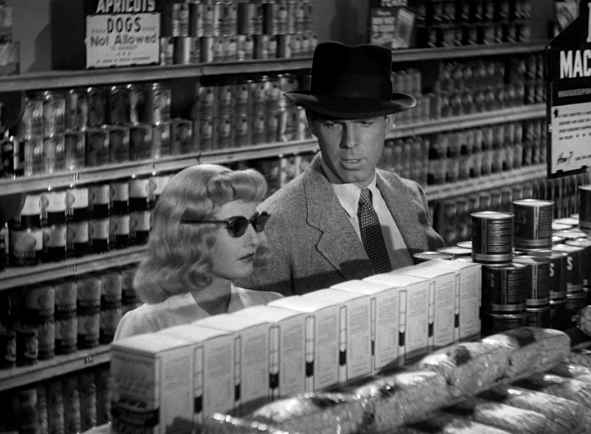
Could You Repeat That? — 36 Noirs That Unfold In Flashbacks
Is that film you’re watching a noir? Here’s one semi-reliable way to tell: Look for flashbacks. In noir, flashbacks show us the stuff that gets characters into the mess that they are in, and are no doubt trying to wriggle out of. Did that someone betray a spouse, steal from an employer or send another…
-
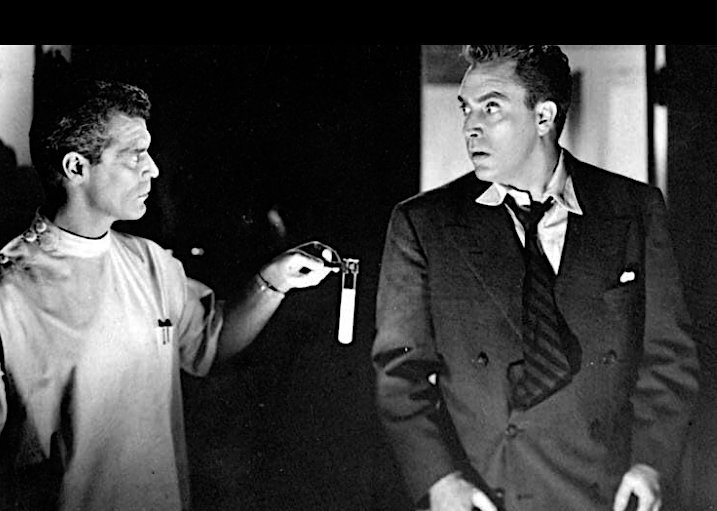
D.O.A.: Small Town Man Visits Big City, Murder Follows
When you think of noir, it’s probably not 18th century British author Samuel Johnson who first springs to mind. But his most famous quote really nails the crux of “D.O.A.”: “When a man knows he is to be hanged in a fortnight, it concentrates his mind wonderfully.” Apt words for Frank Bigelow ( Edmond O’Brien),…
-
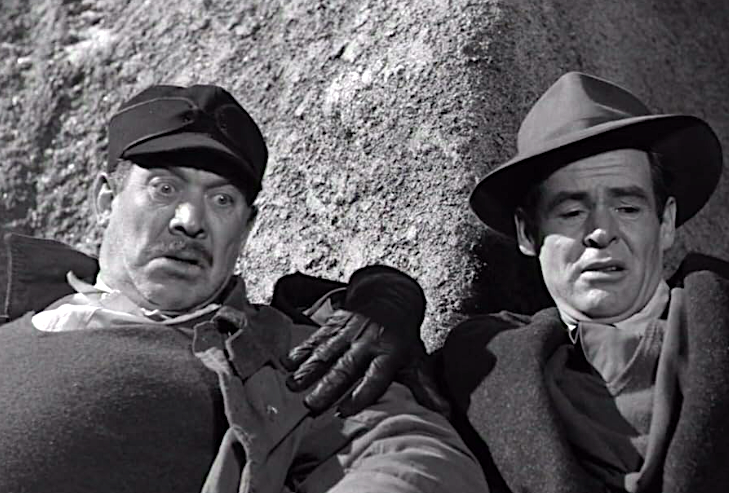
Whiteout Noir: 6 Films With Cold Blooded Crimes In Wintery Places
Winter is upon us, and in many places snow has either fallen or soon will. So it’s time to consider noirs that feature arctic blasts of frigid air and piles of the white stuff. Can’t think of any? Understandable — there aren’t a lot of them. Snowfall plays a dramatic role in a handful noirs…
-
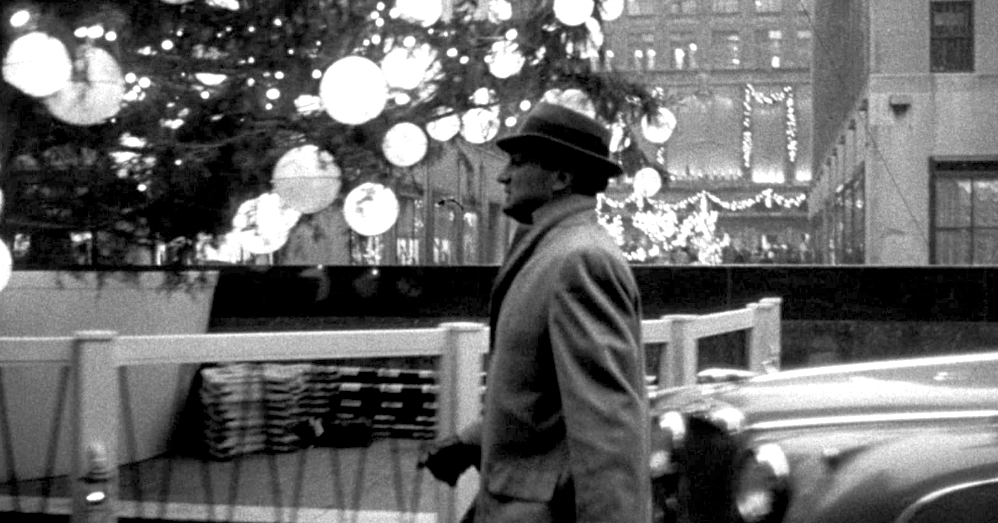
New Year’s Noir: 8 Crime Films Bring You Dark Tidings
Why is it that a lot of noirs take place around Christmas, but not so many focus on New Year’s Eve? Granted, New Year’s doesn’t carry the same weight as Christmas — it’s just not a family holiday, with all of the sentimental memories (or emotional baggage) that you may find in Yuletide festivities. But…
-
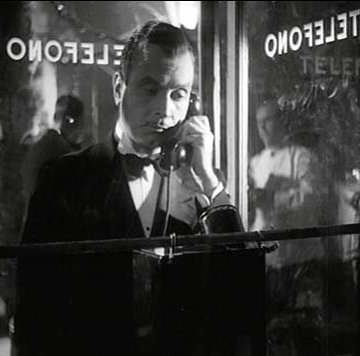
21 Cornell Woolrich Stories That Made It To the Big Screen; Plus ‘Never Open That Door’
“Never Open That Door” (1952) Blu-ray and DVD, Flicker Alley (158 minutes) A lot of movies never quite get author Cornell Woolrich’s tone right, especially the films made in Hollywood. Their forced upbeat endings just don’t do justice to the pitch black darkness of his novels and short stories. That’s not the case with the…
-
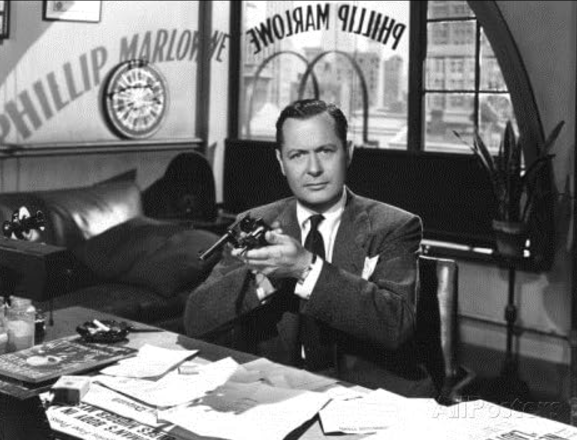
Dark Candy in Your Stocking: 25 Christmas Noirs
Sometimes you need relief from the hectic days that close out the year. From Thanksgiving ’til New Year’s Day we live with a sense of renewed optimism and anticipation as the new year approaches — well, some of us do, anyway. Chances are you’ll desire a break from the season of cheer, something to counter-balance…
-
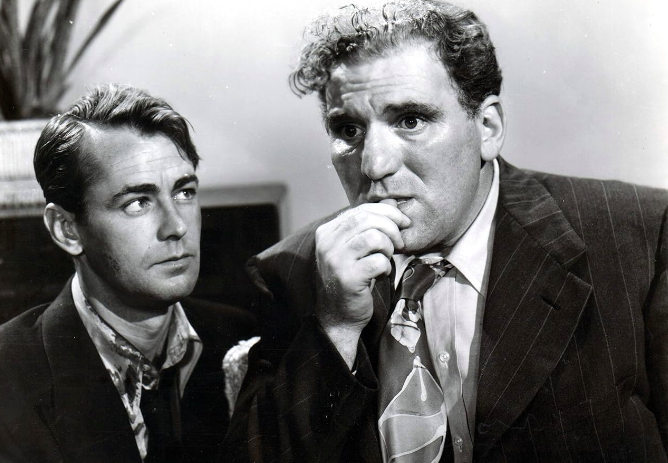
Amnesia Noir: 30 Films Worth Remembering
Total amnesia, the kind that wipes out memories like a damp sponge on a chalkboard, probably happens more often in movies and television than in real life. Rare as it may be, it’s a frequent problem in cinema — some call it the common cold of film noir. Movies about battle scarred GIs returning from…
-
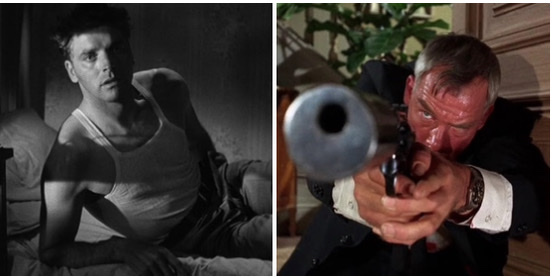
‘The Killers’: Nagging Questions In a Haze of Gunsmoke
In both versions, sports heroes have tragic downfalls and alluring women enter the picture to offer a helping hand — it doesn’t turn out well for the wounded competitors “The Killers” (1946) Robert Siodmak (director) — “The Killers” (1964) Don Siegel (director), The Criterion Collection, [Blu-ray] Why on earth would a man facing the barrel…
-
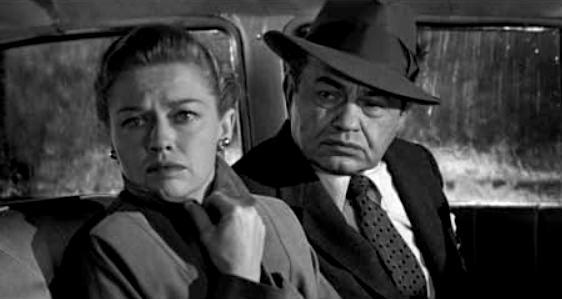
Busted But Not Broken: Greylisted Actor Made Indy Noirs
Edward G. Robinson’s testimony before the House Un-American Activities Committee (HUAC) resulted in his being shunned by the major studios. Instead, he appeared in independently produced Poverty Row films Film Noir: The Dark Side of Cinema XVII [Vice Squad / Black Tuesday / Nightmare] [Blu-ray] He’s no matinee idol, but when Edward G. Robinson is…
-
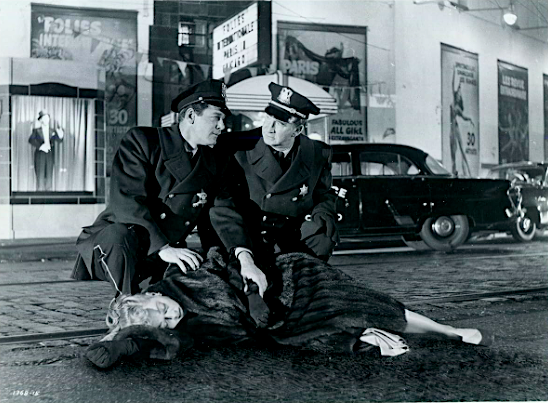
Disenchantment reigns supreme in a ‘City that Never Sleeps’
A cloud of failure hangs over a handful of Chicagoans whose dreary lives are about to become a lot more dramatic. In “City That Never Sleeps” a would-be ballerina, reduced to dancing in a burlesque house; an out of work actor, his face painted silver, poses as a mechanical man in the burlesque theater’s front…