Category: film noir
-
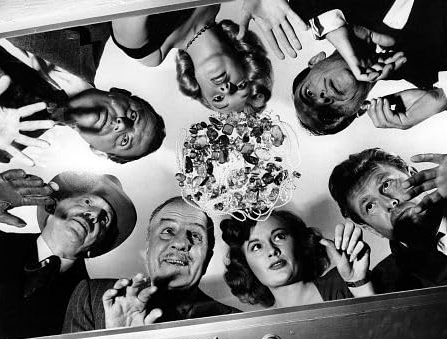
The American Dream … According to Film Noir
The “American Dream,” the 1940s-’50s utopian ideal of family life, is the spark plug that sets many a film noir in motion. The term “American Dream” has come to mean an attractive family, an upscale suburban home, a two-car garage and a manicured lawn — trophies required of those who wish to be at one…
-
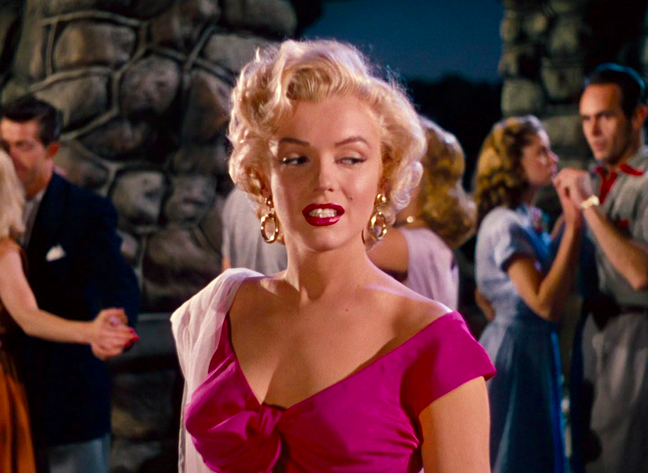
What Really Makes a Film Noir? The Noir Rorschach Test
Let’s be clear: film noir isn’t a genre. Westerns, war movies and horror films are all genre pictures with motifs that signal the kind of film you’re watching. But noir isn’t as easy to spot. There are noir cliches — shadows cast by venetian blinds, voice-over narrations by weary, defeated perps and fall guys, and…
-
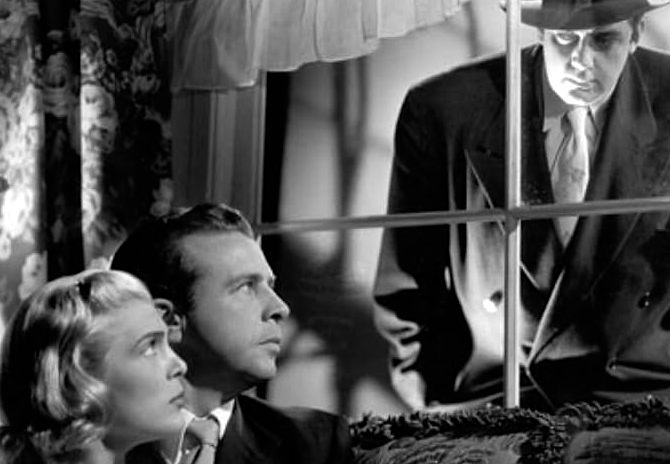
The Suburban Jungle: When Noir Bled Out of the City
Many American films noir of the early 1940s were anchored to big cities — Los Angeles, San Francisco, New York. So were a number of returning World War II GIs. As veterans reentered civilian life and began migrating away from urban centers to newly developing byways of suburbia, noir followed. Away from shadowy alleyways and…
-
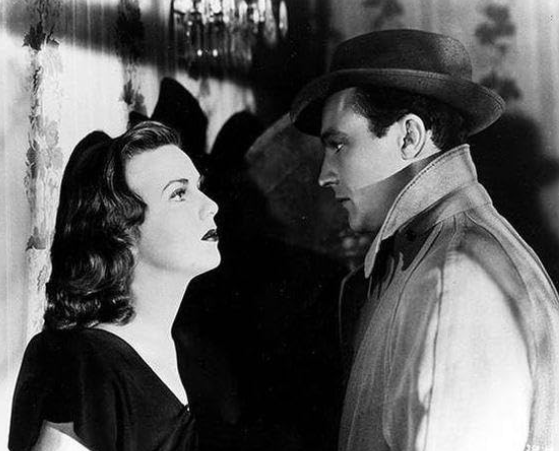
Southern Noir: Where Crime Becomes Inheritance
Noir is usually mapped onto cities — Los Angeles, New York, Chicago — places where corruption hides in plain sight. But move the genre south and something shifts. Crime doesn’t disappear; it festers. Institutions weaken, religion distorts, and violence becomes intimate rather than anonymous. Gothic Noir in Steamy Climates ‘Christmas Holiday’ (1944)Audiences expecting a wholesome…
-
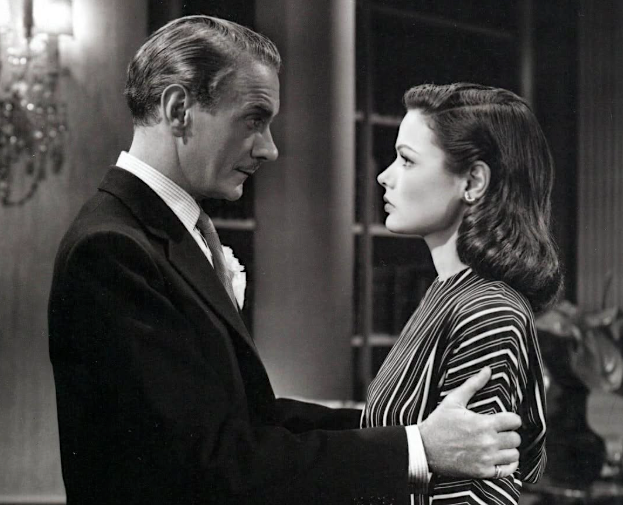
Noir’s Benevolent Tyrants Create Their Ideal Women
In noir, dark characters who aim to control the vulnerable are easy to spot. Blackmailers, femmes fatale and hardened criminals exert their grip on others in unsubtle ways. But sometimes the aggressor arrives with a smile and a bouquet of roses. He may present a polished image, but his intentions are always unsavory. In “Pygmalion,”…
-
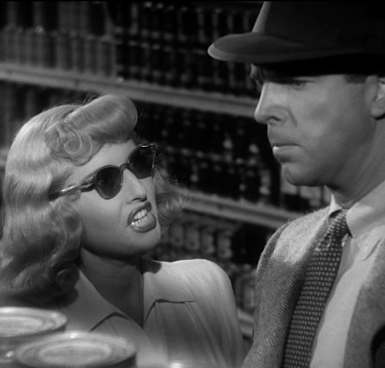
In Noir, Life Insurance Appeals to Profit-Minded Killers
Few noir plots are as coldly logical as insurance murder. Unlike inheritance killings, which require wealth, insurance turns death into an accessible commodity. It democratizes murder. Movie gangsters who kill often say it’s strictly business, nothing personal. But with insurance fraudsters, it’s typically a family affair, and it’s always deeply personal. Here are some noirs…
-
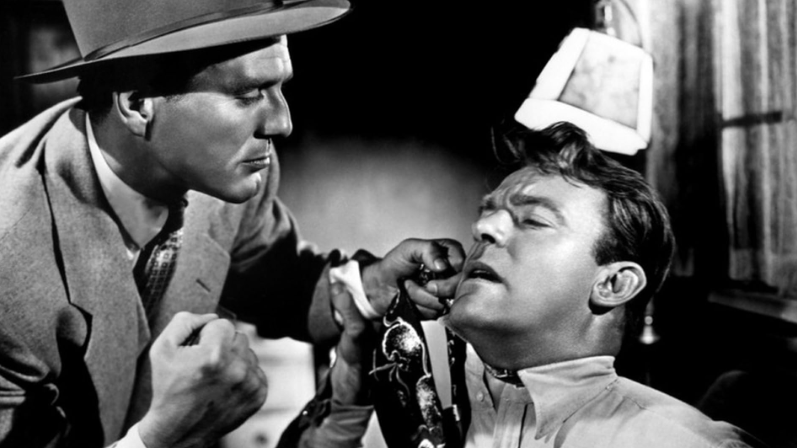
Skepticism takes a holiday: When noir became public relations
Noir traditionally thrives on moral instability. Criminals, police, politicians and ordinary citizens occupy the same compromised terrain, where motives blur and institutions rarely deserve trust.But a parallel strain of postwar crime films moved in the opposite direction. Documentary-style procedurals borrowed noir’s visual tension while stripping away its skepticism, replacing ambiguity with institutional certainty and turning…
-
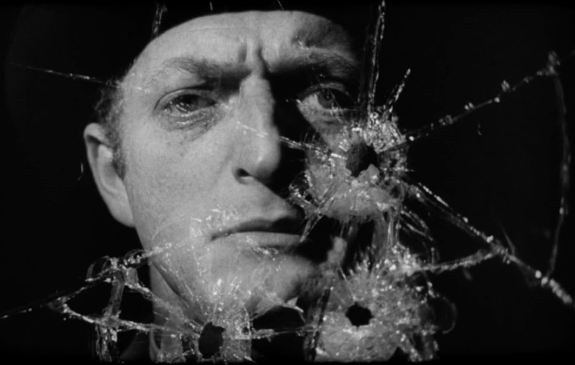
Noir mirrors: A broken world reflected in shattered glass
In the often disjointed world of film noir, a mirror is seldom just a mirror. Those silvery reflective surfaces can suggest a lot of things: paranoia, dual personalities and narcissism, to name just a few. They also distort reality. Facing mirrors may reflect the image of a figure into infinity, suggesting a splintered, dissociated personality.…
-
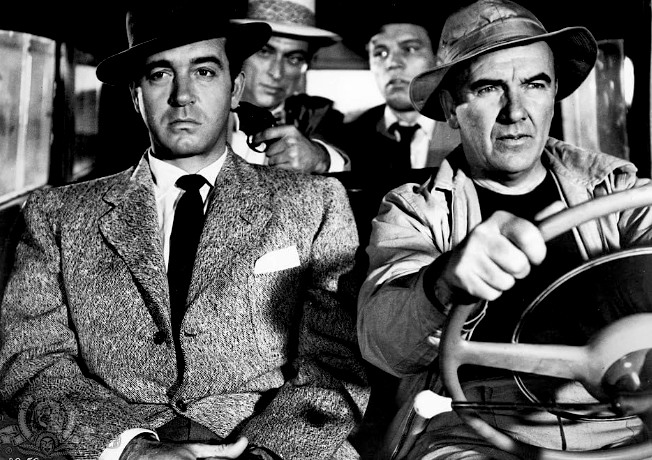
The simple art of robbery: Four noirs about loot — and gangs that will do anything to get it
Heist movies all have the same story at heart. A gang goes after a big score and the crooks use teamwork to get the loot. But tensions mount and plans of a clean getaway implode. The four heist movies below all have the same cash-grab backbone, but the details of each range from the simple…
-
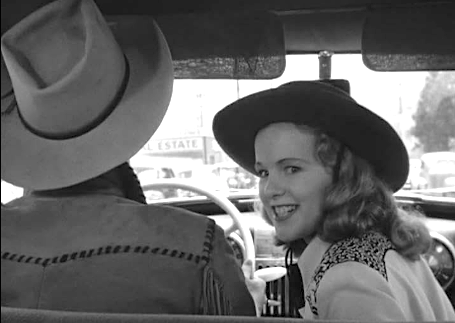
‘Gun Crazy’ has a classic robbery scene … but we never see the actual holdup
You couldn’t call “Gun Crazy” a romance, exactly, although it’s the story of a young couple who meet cute, fall in love — and share a passion for firearms. We meet Annie Laurie Starr (Peggy Cummins), a carnival sharpshooter dressed in a cowgirl outfit, performing in a sideshow. In the audience is Bart Tare (John…