Category: crime film
-
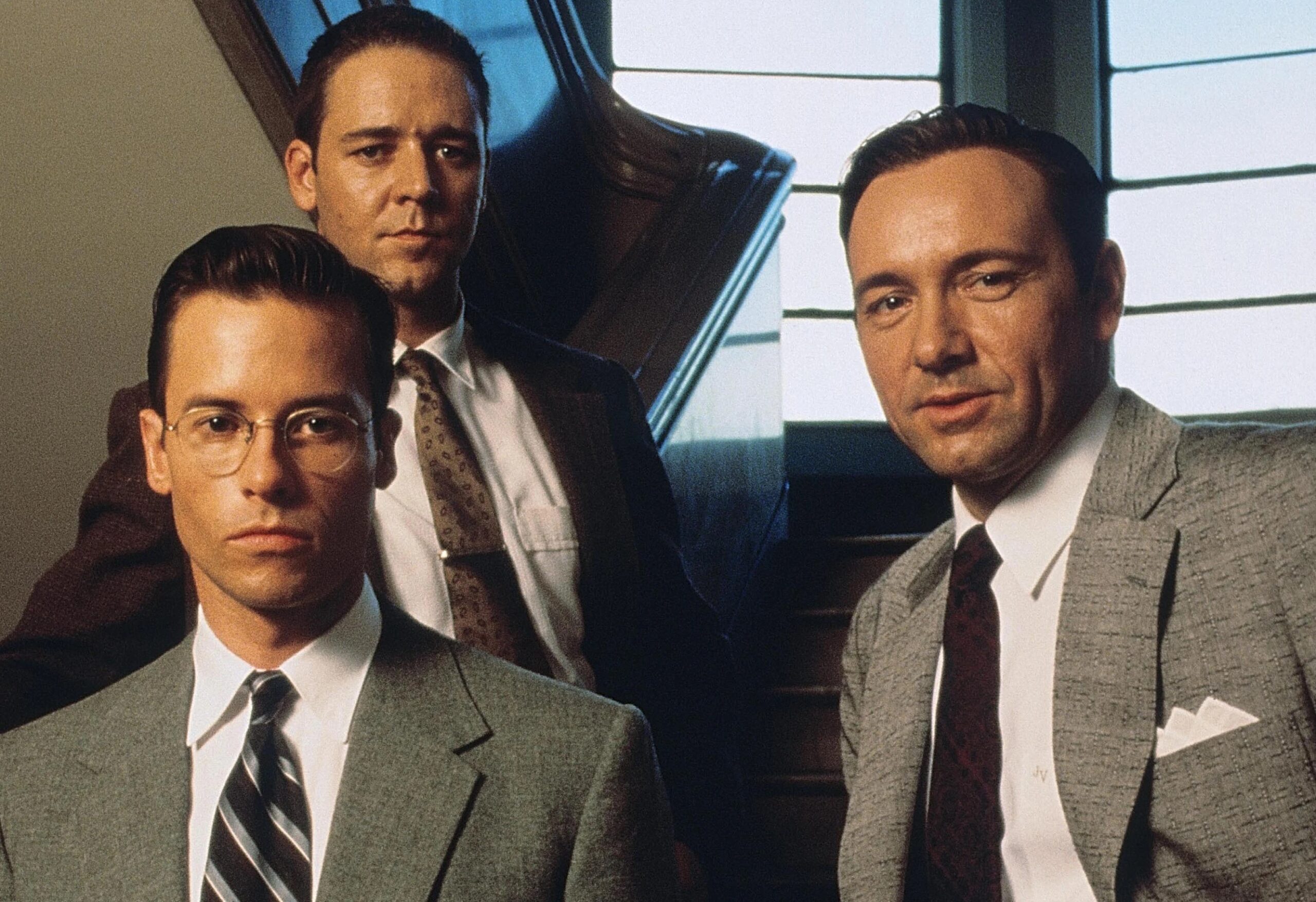
‘L.A. Confidential’: Wounded Cops Take On the System
From left, Det. Ed Exly (Guy Pearce), Det. Bud White (Russell Crowe) and Det. Jack Vincennes (Kevin Spacey). “L.A. Confidential” just had its 25th anniversary and that makes us look anew at the astounding saga of police corruption in the City of Angels, circa 1953. A quarter of a century later the film’s authentic retro look,…
-
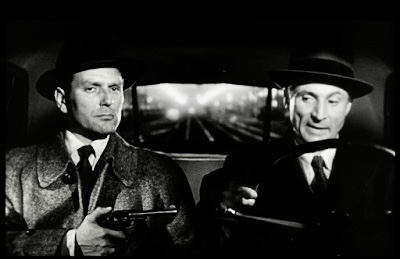
What, Another Insurance Man is Out to Beat the System?
Charles McGraw holds a gun onworrying Peter Brocco in ‘Roadblock.’ On the face of it, “Roadblock” (1951) is a tall tale filled with absurdities. An insurance investigator who can’t conceive of how easily he might get caught if he robs one of his employer’s clients. He’s the same guy who catches perps who rip off…
-
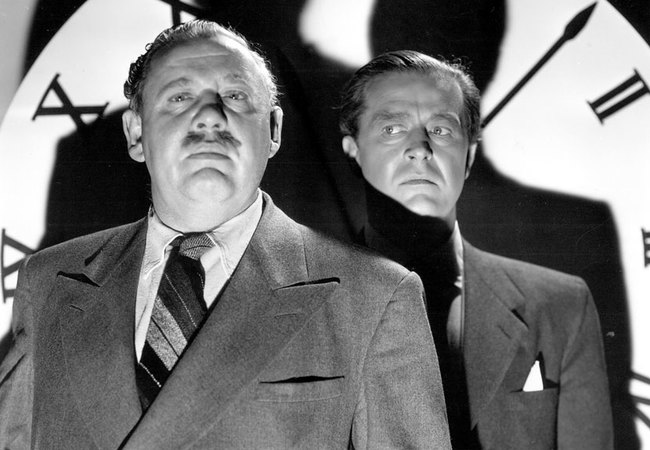
‘The Big Clock’: Time Runs Short for Crime Mag Editor
Charles Laughton and Ray Milland in ‘The Big Clock.’ At first glance, “The Big Clock” is merely a workplace crime drama set in a New York magazine publishing firm, a cold-blooded enterprise that gives new meaning to the phrase, “This job is killing me.” But beneath its surface, the film is satire, lampooning corporate…
-
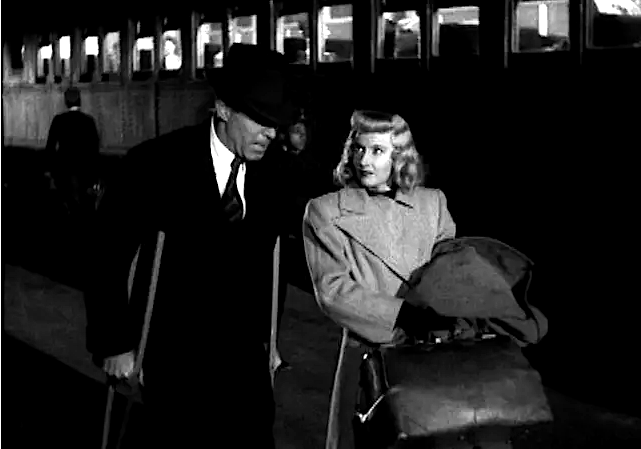
In ‘Double Indemnity,’ A Stalled Car is a Flash of Genius
Barbara Stanwyck and Fred MacMurray, in ‘Double Indemnity.’ As many times as we pore over “Double Indemnity,” there are still important bits that may be missed. Sometimes that leads to revelations that change our understanding of the film. I’m not talking about the Raymond Chandler cameo that went unnoticed for decades — that was a…
-
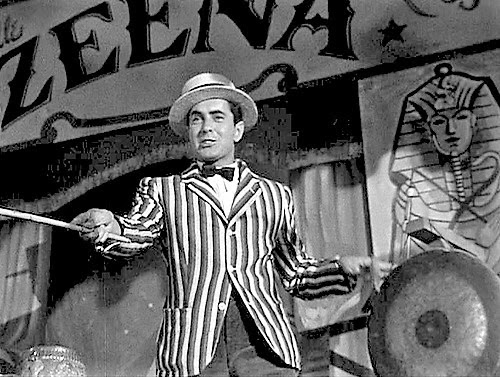
Danger Lurks in the Seedy World of Film Noir Carnivals
Tyrone Power, ‘Nightmare Alley’ (1947) T raveling carnivals are supposed to roll into town and deliver family entertainment — tacky, corny stuff that kids adore: amusements, games of skill, sideshow acts and cotton candy. They bring with them a whiff of nostalgia and remind oldsters of more innocent times. But in film noir, carnivals are…
-
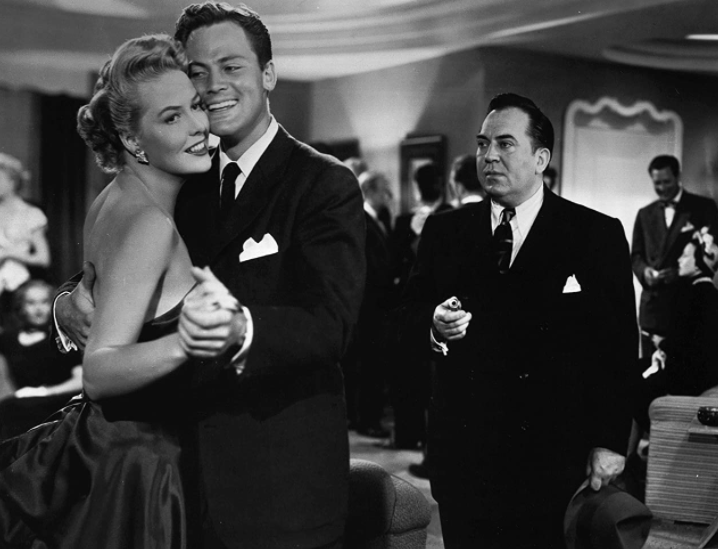
Red Scare Noir: Communists on the Waterfront
Janis Carter, John Agar and Thomas Gomez in ‘The Woman on Pier 13’ (1949). ‘The Woman on Pier 13’ (1949) When the Berlin Wall went up in 1961, my first-grade teacher, Miss Berzetz, marched into the classroom and scared the bejesus out of us. To hear her tell it, this was the end of life…
-
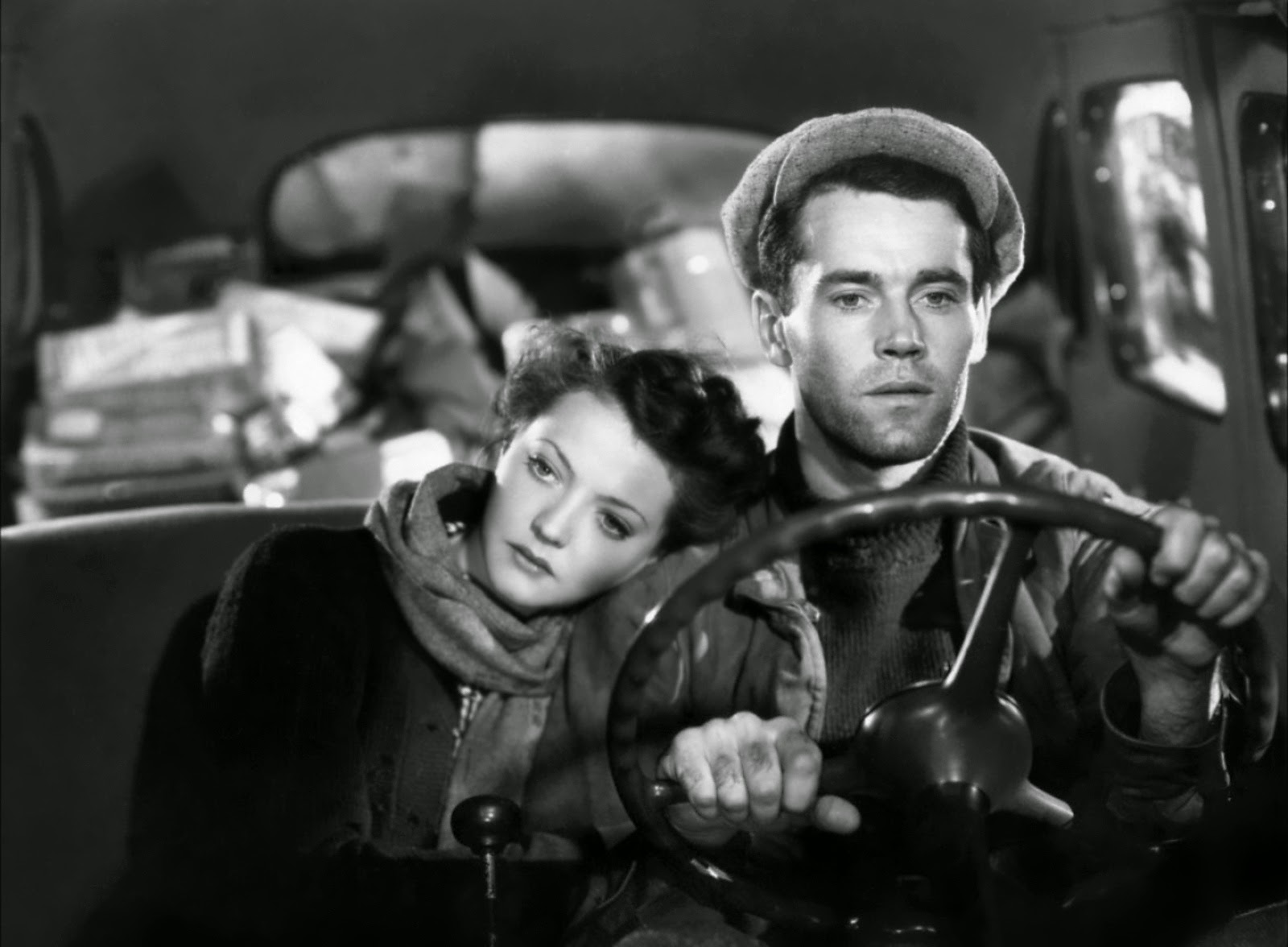
You Only Live Once: Outlaws on the Road
Sylvia Sidney and Henry Fonda in ‘You Only Live Once.’ D irector Fritz Lang’s masterpiece of German cinema, “M” (1931), delves into the murky waters of criminality with an assuredness that few films of that era can match. A frantic search is on for a serial killer who murders children, resulting in an uptick in…
-
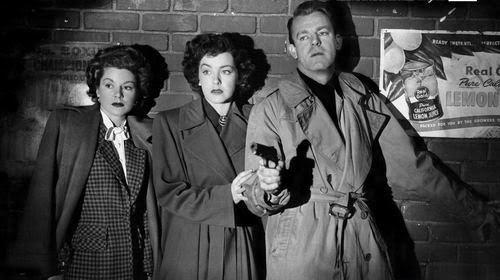
A simmering ‘Raw Deal’ cooked to perfection
From left, Pat Cameron (Claire Trevor), Ann Martin (Marsha Hunt) and Joe Sullivan (Dennis O’Keefe) in ‘Raw Deal’ (1948).Be forewarned, there are many SPOILERS contained below. In film noir, it’s unusual for the femme fatale to act as narrator. But in “Raw Deal,” the dilemmas of conscience are seen through the eyes of the morally challenged…
-
Crime Writer Ripped Hitch for ‘Flabby Mass of Clichés’
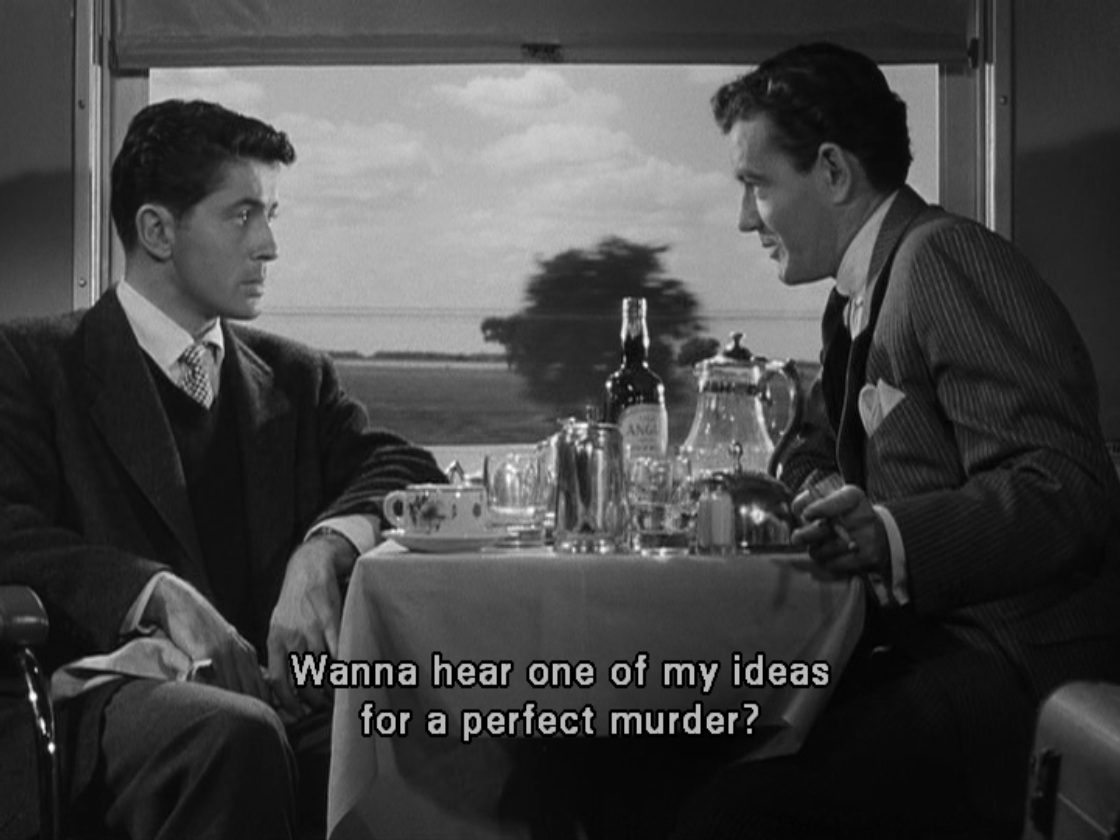
Farley Granger and Robert Walker in ‘Strangers on a Train.’ Alfred Hitchcock at work. A number of celebrated writers have had tortured relationships with Hollywood. Take Raymond Chandler, the writer whose work is closely associated with Los Angeles (he detested the city), and whose crime fiction elevated the genre to an art form. Chandler…
-
Tarantino’s Twists and Turns Add Up Perfectly
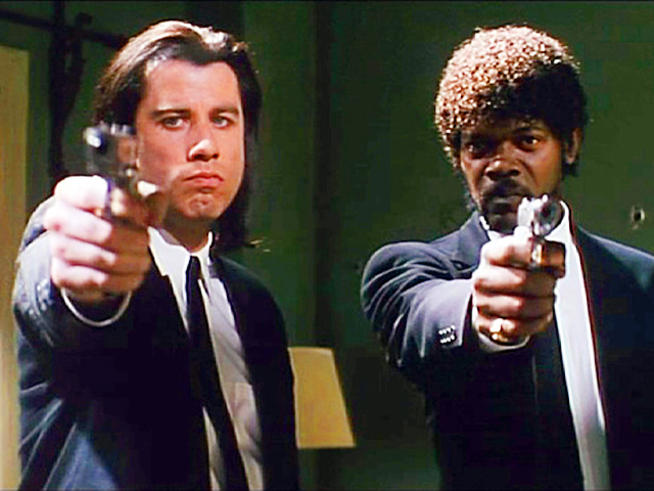
Vincent, left, and Jules settle a score. Some may quibble with “Pulp Fiction”’s herky jerky storyline. It dodges back and forth from the past to the present without warning. The trouble is, at first it’s challenging to figure out exactly what is happening in the present and what took place in the past. You have…