Category: classic film
-
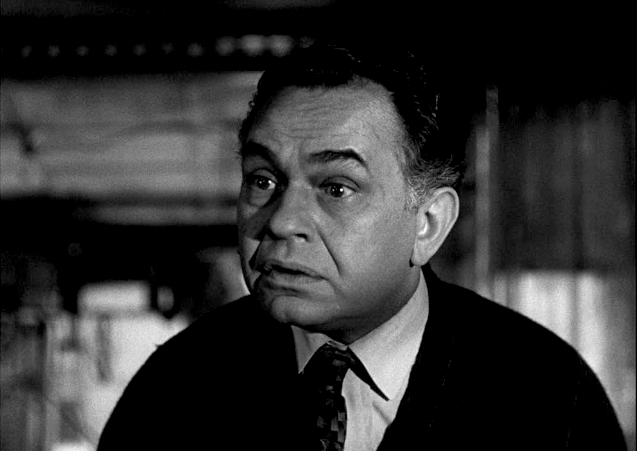
One American Author’s Writings Inspired Multiple Films Noir, Yet His Name Is Less Well Known Than Other Top Noir Storytellers of His Generation
Edward G. Robinson, “Night Has a Thousand Eyes” (1948). By Paul Parcellin By any measure, Cornell Woolrich was a virtual human writing machine who cranked out fiction at a feverish pace. He’s credited with 22 novels under his name, 17 more under the pseudonym William Irish, two more as George Hopley (including one of the…
-
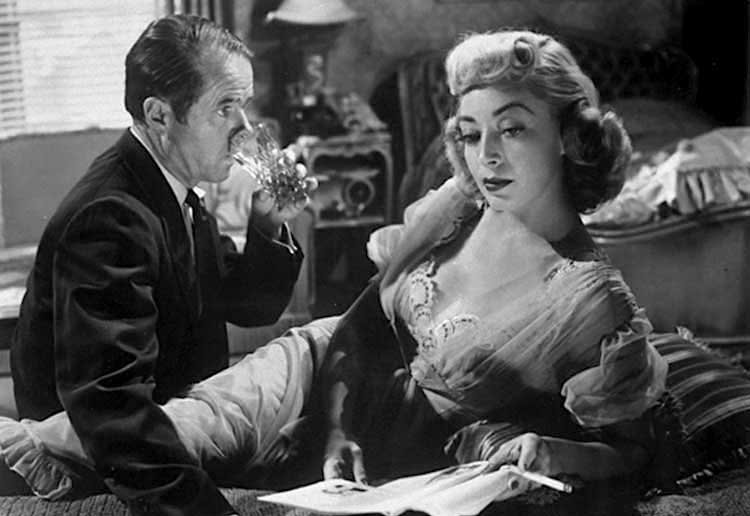
Femmes Fatale Are Deceptively Charming, Dangerous and Often Lethal; But One Among Them Tips the Scales When It Comes to Evil Doings — And She’s Probably Not The One You’re Thinking Of
Elisha Cook Jr., Marie Windsor, “The Killing” (1956). By Paul Parcellin Be forewarned: Many spoilers are included throughout the text below. Sure, Phyllis Dietrichson (Barbara Stanwyck), the husband liquidating murderess of “Double Indemnity” (1944) might be your go-to gal whenever the term “femme fatale” is mentioned. She’s as coolly detached and methodical as a hangman,…
-
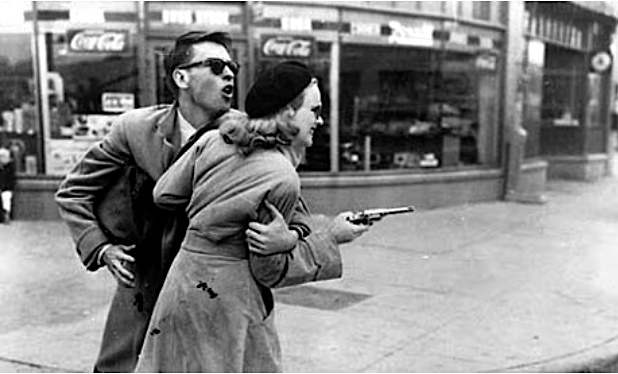
Ripped From the Headlines, Part III: True Stories About Dangerous Characters, Corrupt Officials and Gangs of Criminals Who Hold the Public at Bay
John Dall, Peggy Cummins, “Gun Crazy” (1950). By Paul Parcellin It only takes a couple of desperate, determined outsiders with a gun to start a crime wave. At times, a single perpetrator can do the work of two — or more. That’s what happens in several of the films based on true stories that make…
-

Ripped From the Headlines, Part II: A Feast of Murder, Robbery and Exploitation
Cecil Kellaway, John Garfield, Lana Turner, “The Postman Always Rings Twice” (1946). By Paul Parcellin As you’ve probably gathered by now, the 1940s and ’50s saw a bumper crop of sensational tales ready-made for the screen. It was an era when Hollywood greedily harvested stories from news tabloids’ front pages. In the last post, we…
-
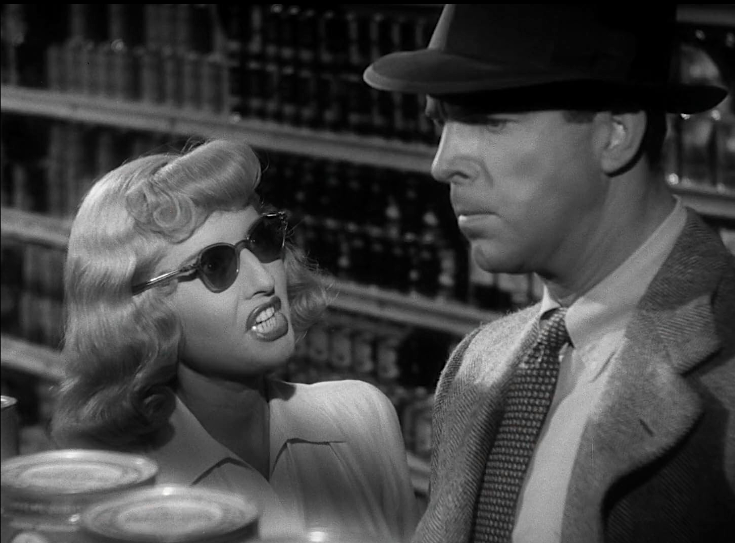
Ripped From the Headlines: True Crimes Explode onto the Screen in Noir Movies
Barbara Stanwyck, Fred MacMurray, “Double Indemnity” (1944) By Paul Parcellin It’s no wonder that Hollywood in the 1940s and ’50s scooped up lurid true crime stories and made hard-hitting, gritty dramas out of them. Following the war, the public’s appetite for rough textured tales could not be surpassed. Cold, savage murders that bled off the…
-
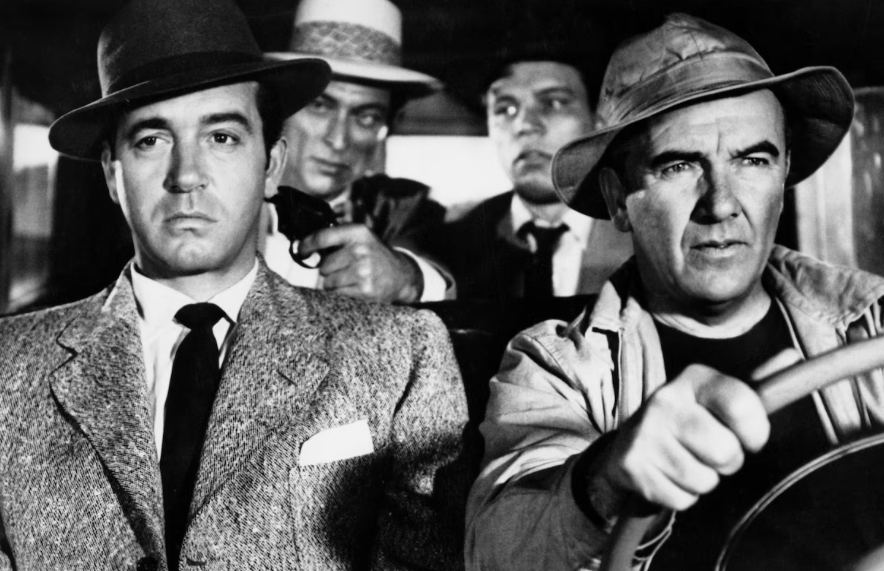
He Directed Gripping Noirs … But You May Not Recognize His Name
John Payne, Lee Van Cleef, Neville Brand, Preston Foster, “Kansas City Confidential” (1952). By Paul Parcellin Everything seemed to come together for Phil Karlson in the 1950s. It was an era in which his talent, energy and unique sensibilities were made to order for a public with an insatiable appetite for raw, gritty crime films.…
-
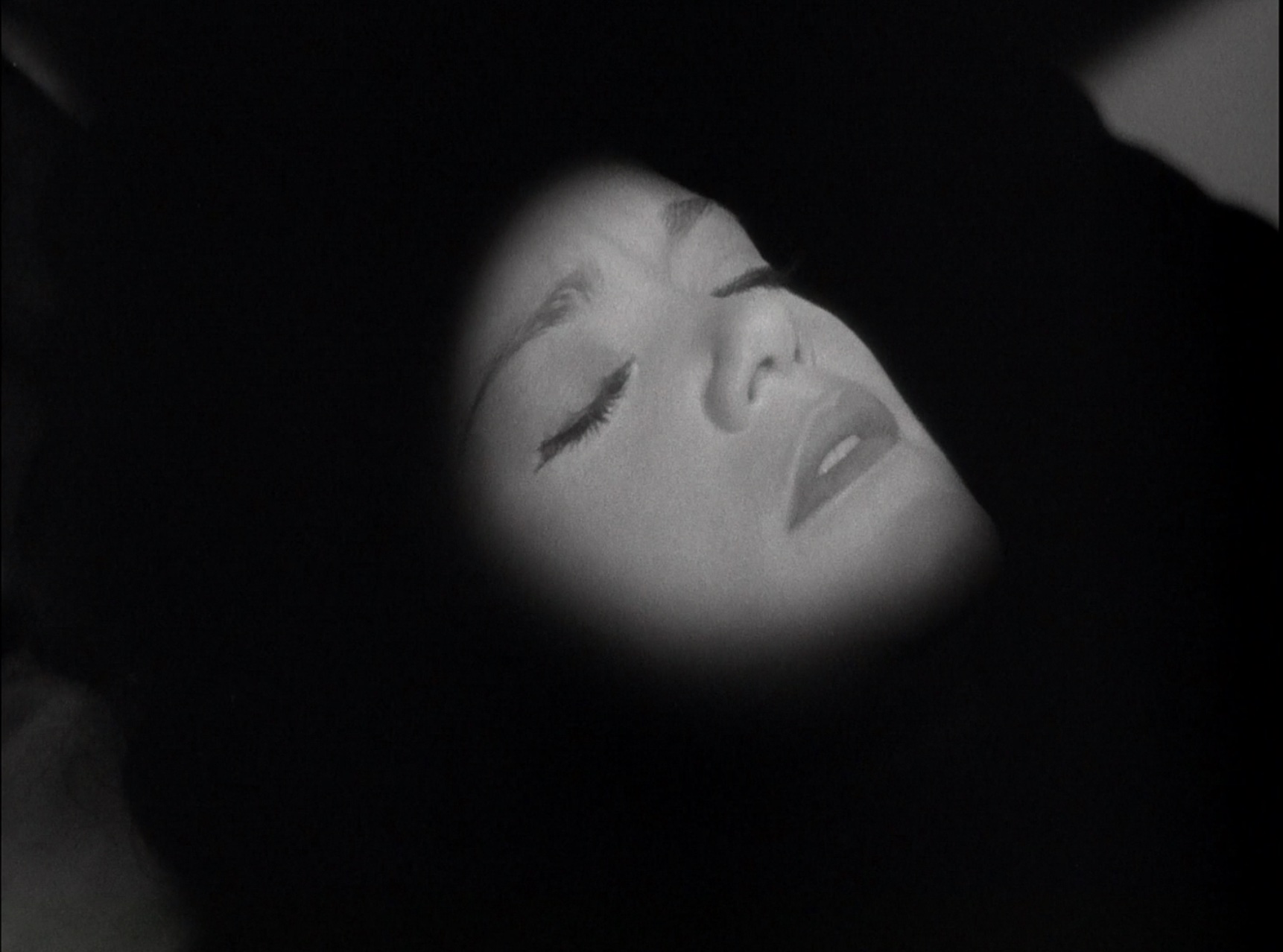
Danger Lurks in the Shadows of Noir-Tinged ‘Cat People’
Under hypnosis, Simone Simon, ‘Cat People’ (1942). By Paul Parcellin This article contains spoilers, so you may want to see the film before reading it. Director Jacque Tourneur said “The less you see, the more you believe” and his film, “Cat People” (1942), proves his theory. It shows how a movie can spark an audience’s…
-
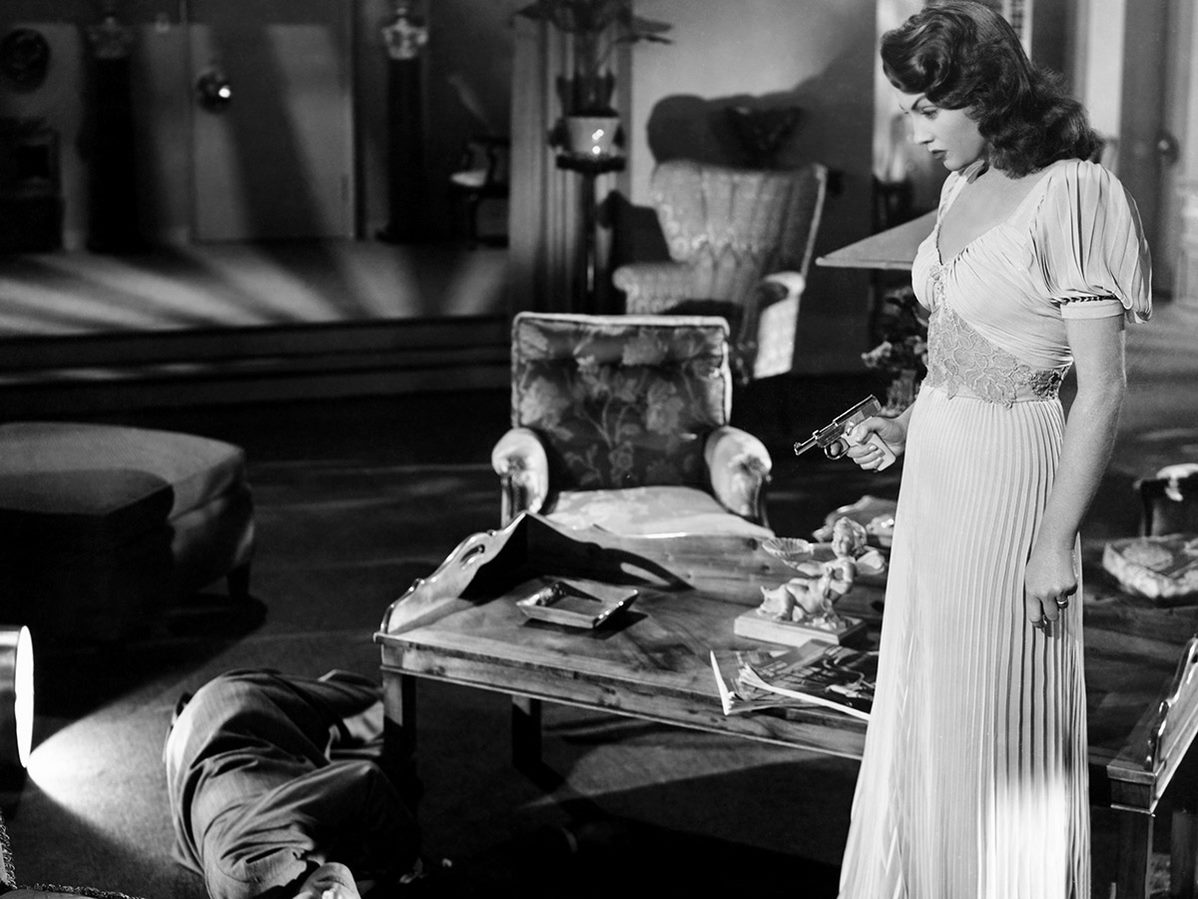
‘Repeat Performance’: Happy New Year! — You’re Dead
Louis Hayward, Joan Leslie, ‘Repeat Performance’ (1947). By Paul Parcellin Sometimes we could all use a do-over, and that’s certainly the case with Sheila Page (Joan Leslie) who’s just capped off her year by turning her husband, Barney (Louis Hayward), into a corpse. But then something supernatural happens. Come midnight New Year’s Eve she finds…
-
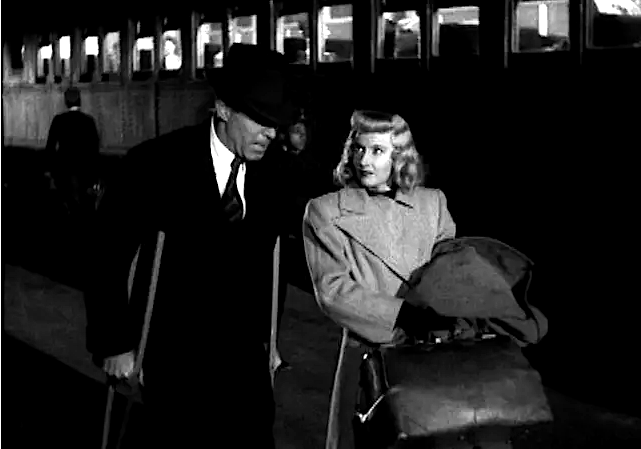
In ‘Double Indemnity,’ A Stalled Car is a Flash of Genius
Barbara Stanwyck and Fred MacMurray, in ‘Double Indemnity.’ As many times as we pore over “Double Indemnity,” there are still important bits that may be missed. Sometimes that leads to revelations that change our understanding of the film. I’m not talking about the Raymond Chandler cameo that went unnoticed for decades — that was a…
-
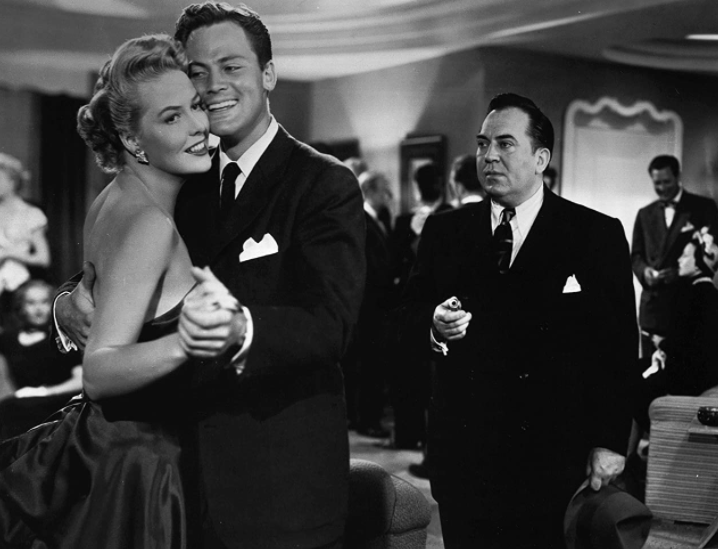
Red Scare Noir: Communists on the Waterfront
Janis Carter, John Agar and Thomas Gomez in ‘The Woman on Pier 13’ (1949). ‘The Woman on Pier 13’ (1949) When the Berlin Wall went up in 1961, my first-grade teacher, Miss Berzetz, marched into the classroom and scared the bejesus out of us. To hear her tell it, this was the end of life…