Category: classic cinema
-
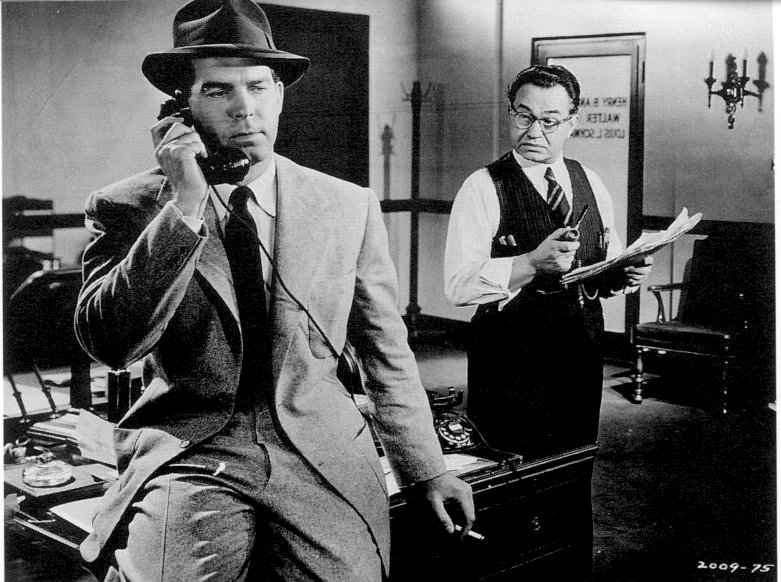
‘Double Indemnity’: Two On a Conveyor Belt Toward Doom
Fred MacMurray, Edward G. Robinson, ‘Double Indemnity’ (1944). This article contains many SPOILERS, so if you haven’t seen the film yet be forewarned. By Paul Parcellin In “Double Indemnity” (1944), housewife Phyllis Dietrichson (Barbara Stanwyck) seduces insurance salesman Walter Neff (Fred MacMurray) and gets him to kill her husband. She’s after a big payout from…
-
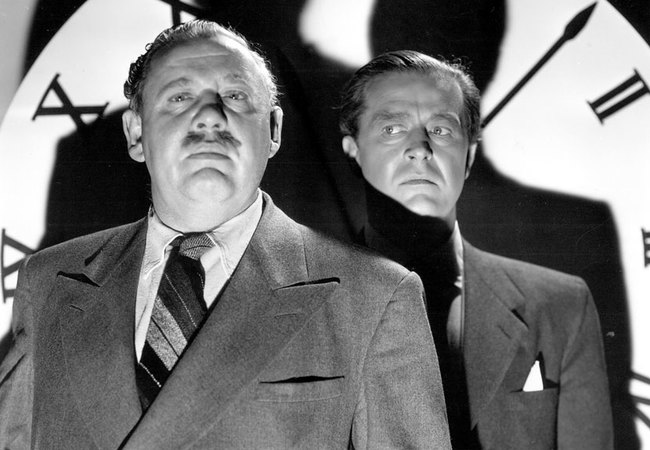
‘The Big Clock’: Time Runs Short for Crime Mag Editor
Charles Laughton and Ray Milland in ‘The Big Clock.’ At first glance, “The Big Clock” is merely a workplace crime drama set in a New York magazine publishing firm, a cold-blooded enterprise that gives new meaning to the phrase, “This job is killing me.” But beneath its surface, the film is satire, lampooning corporate…
-
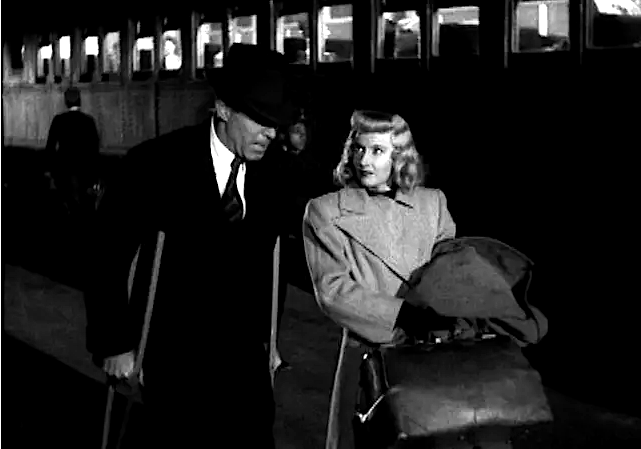
In ‘Double Indemnity,’ A Stalled Car is a Flash of Genius
Barbara Stanwyck and Fred MacMurray, in ‘Double Indemnity.’ As many times as we pore over “Double Indemnity,” there are still important bits that may be missed. Sometimes that leads to revelations that change our understanding of the film. I’m not talking about the Raymond Chandler cameo that went unnoticed for decades — that was a…
-
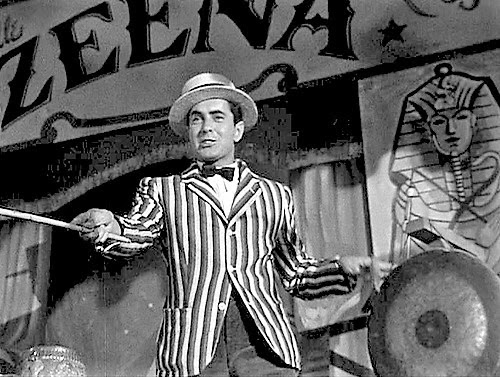
Danger Lurks in the Seedy World of Film Noir Carnivals
Tyrone Power, ‘Nightmare Alley’ (1947) T raveling carnivals are supposed to roll into town and deliver family entertainment — tacky, corny stuff that kids adore: amusements, games of skill, sideshow acts and cotton candy. They bring with them a whiff of nostalgia and remind oldsters of more innocent times. But in film noir, carnivals are…
-
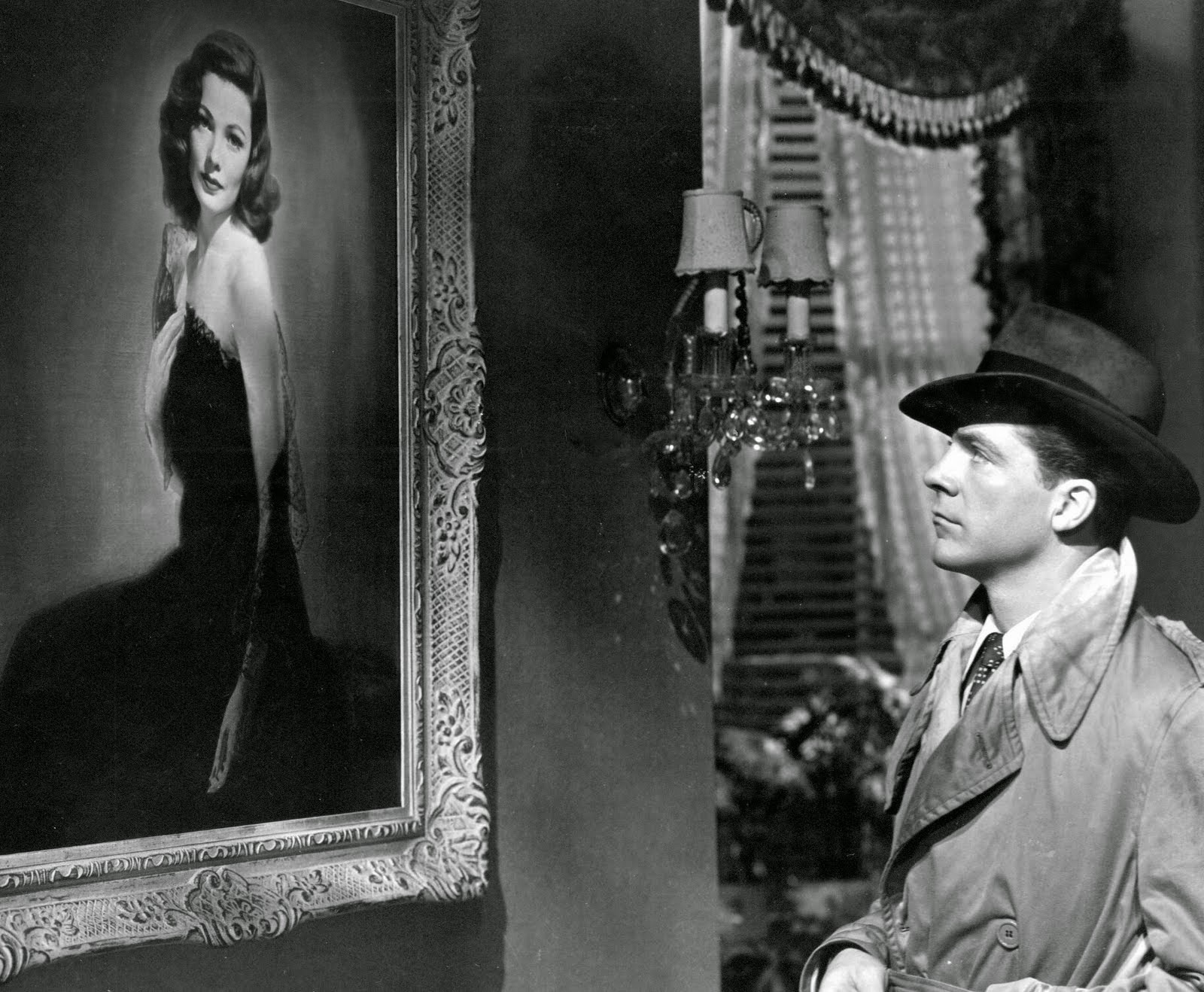
When Works of Art Bewitch, Haunt … and Judge
Detective Mark MacPherson is mesmerized by the portrait of Laura Hunt. Noir anti-heroes often come from the wrong side of the tracks, and then struggle to brush off the dust from the old neighborhood. Lured by the trappings of the filthy rich — jewels, swell apartments, gorgeous babes — they cross the line into a…
-
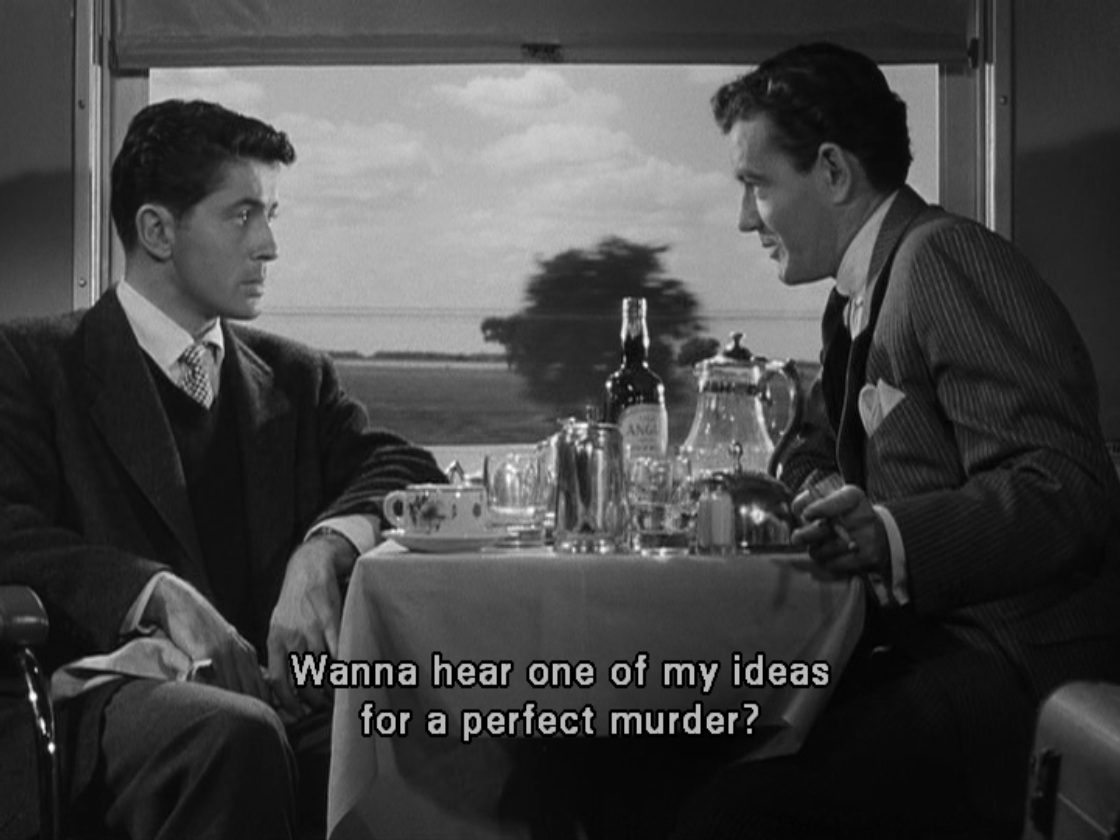
Crime Writer Ripped Hitch for ‘Flabby Mass of Clichés’
Farley Granger and Robert Walker in ‘Strangers on a Train.’ Alfred Hitchcock at work. A number of celebrated writers have had tortured relationships with Hollywood. Take Raymond Chandler, the writer whose work is closely associated with Los Angeles (he detested the city), and whose crime fiction elevated the genre to an art form. Chandler…