Category: 1940s
-
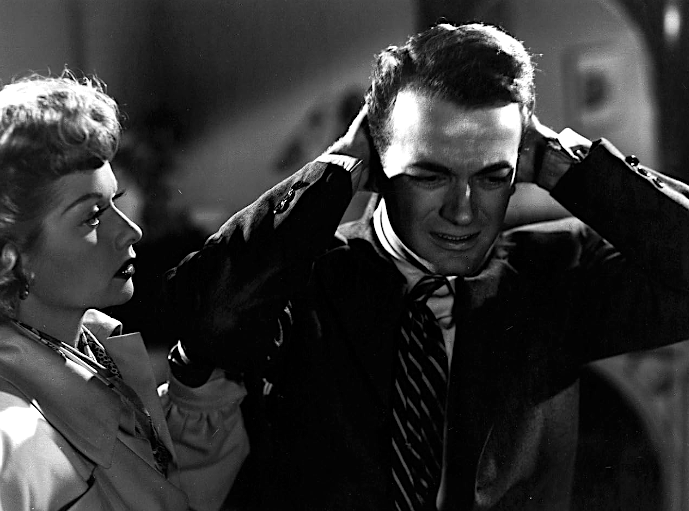
‘Hollering Hank,’ A Director of Noble Lineage, Turned Out Landmark Semi-Documentary Crime Dramas That Capture the Unease of Post-World War II America
Lucille Ball, Mark Stevens, “The Dark Corner” (1946). Director Henry Hathaway is probably best known for the westerns he made with legendary stars, including John Wayne, Gary Cooper, Randolph Scott, Richard Widmark and Henry Fonda, among others. But his semi-documentary, noir-tinged crime films of the 1940s-‘50s should have earned him a more prominent place among…
-
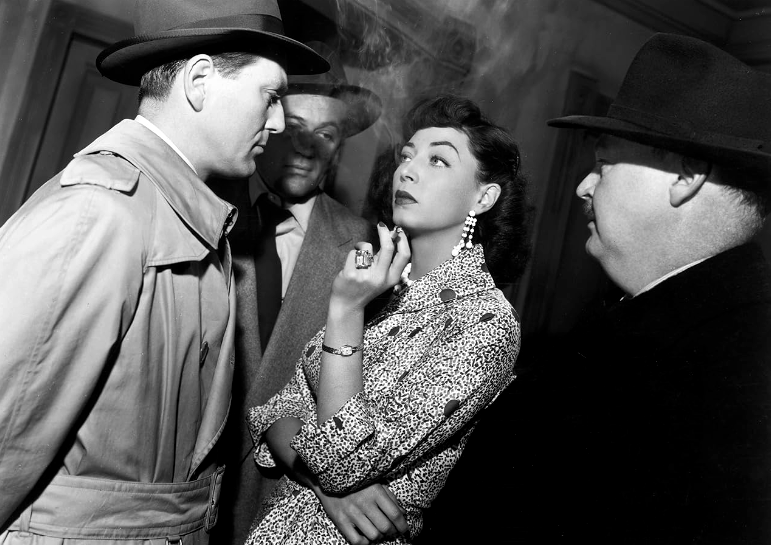
Riding an Express Train to Hell: In Noir and Thrillers, Passengers Embark on Dark Journeys Aboard Shadowy Railroad Cars Hurtling Toward Uncertain Destinations
Charles McGraw, Don Haggerty, Marie Windsor, Don Beddoe, “The Narrow Margin” (1952). This article contains spoilers By Paul Parcellin Rail travel is a throwback to the days of neckties, breast pocket handkerchiefs and fedoras, so naturally it pops up often in films noir. It’s safe to say that if you’re watching a black and white…
-
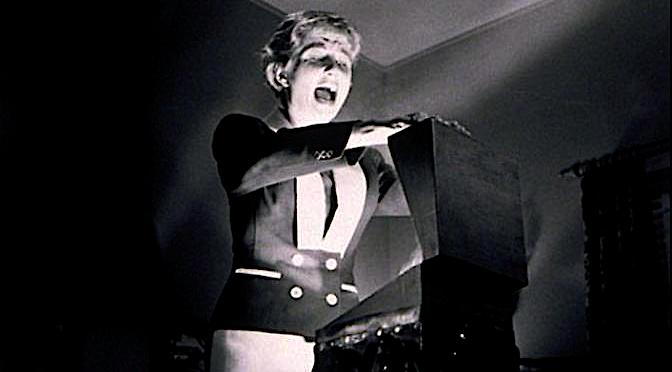
Noir After World War II: Damaged Vets Strain to Re-enter Civilian Life as America Stares Down Fascist Conspiracies and a Seething Nuclear Nightmare
Gaby Rodgers, “Kiss Me Deadly” (1955). This Post Contains Spoilers By Paul Parcellin American films noir changed a lot after the end of World War II. The standard setups — a guy, a girl, a gun, a pile of cash, gave way to new storylines and different kinds of characters. We began to see G.I.s…
-
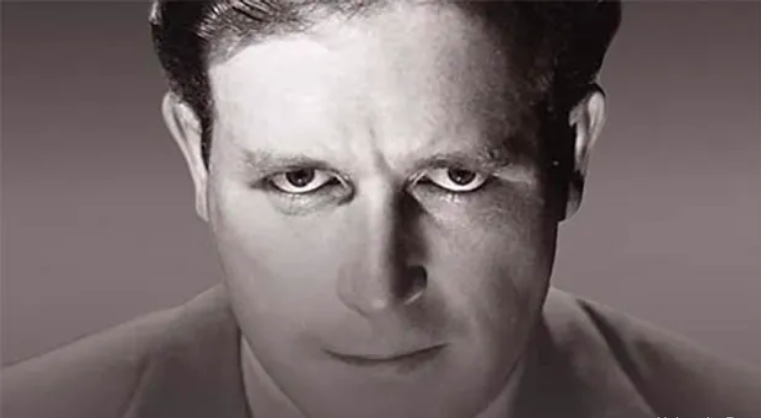
The Wild Man of Hollywood Played Raucous, Rage-Filled Human Steamrollers Onscreen, and His Offscreen Life Was Nearly as Outrageous
Lawrence Tierney, “The Devil Thumbs a Ride” (1947). By Paul Parcellin In a career that spanned over 50 years, Lawrence Tierney played mobsters, tough guys and cold blooded killers, among an assortment of other roles. His on-screen persona communicated a sense of unrestrained intimidation behind a dead-eyed stare. The characters he portrayed were capable of…
-
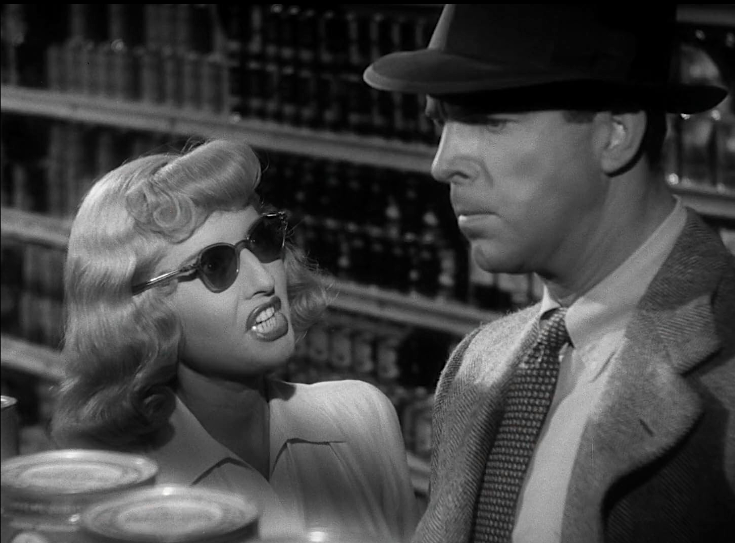
Ripped From the Headlines: True Crimes Explode onto the Screen in Noir Movies
Barbara Stanwyck, Fred MacMurray, “Double Indemnity” (1944) By Paul Parcellin It’s no wonder that Hollywood in the 1940s and ’50s scooped up lurid true crime stories and made hard-hitting, gritty dramas out of them. Following the war, the public’s appetite for rough textured tales could not be surpassed. Cold, savage murders that bled off the…
-
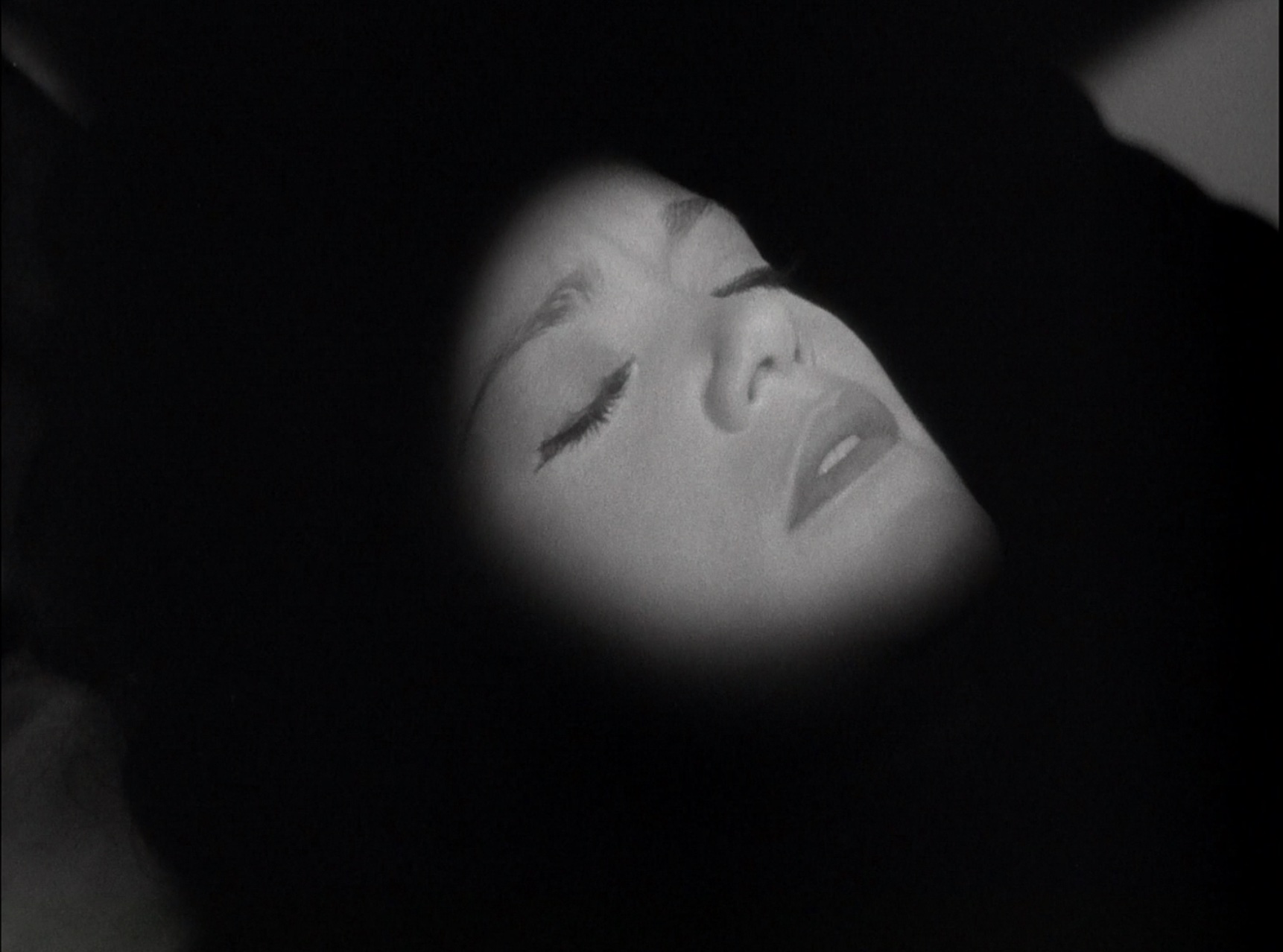
Danger Lurks in the Shadows of Noir-Tinged ‘Cat People’
Under hypnosis, Simone Simon, ‘Cat People’ (1942). By Paul Parcellin This article contains spoilers, so you may want to see the film before reading it. Director Jacque Tourneur said “The less you see, the more you believe” and his film, “Cat People” (1942), proves his theory. It shows how a movie can spark an audience’s…
-
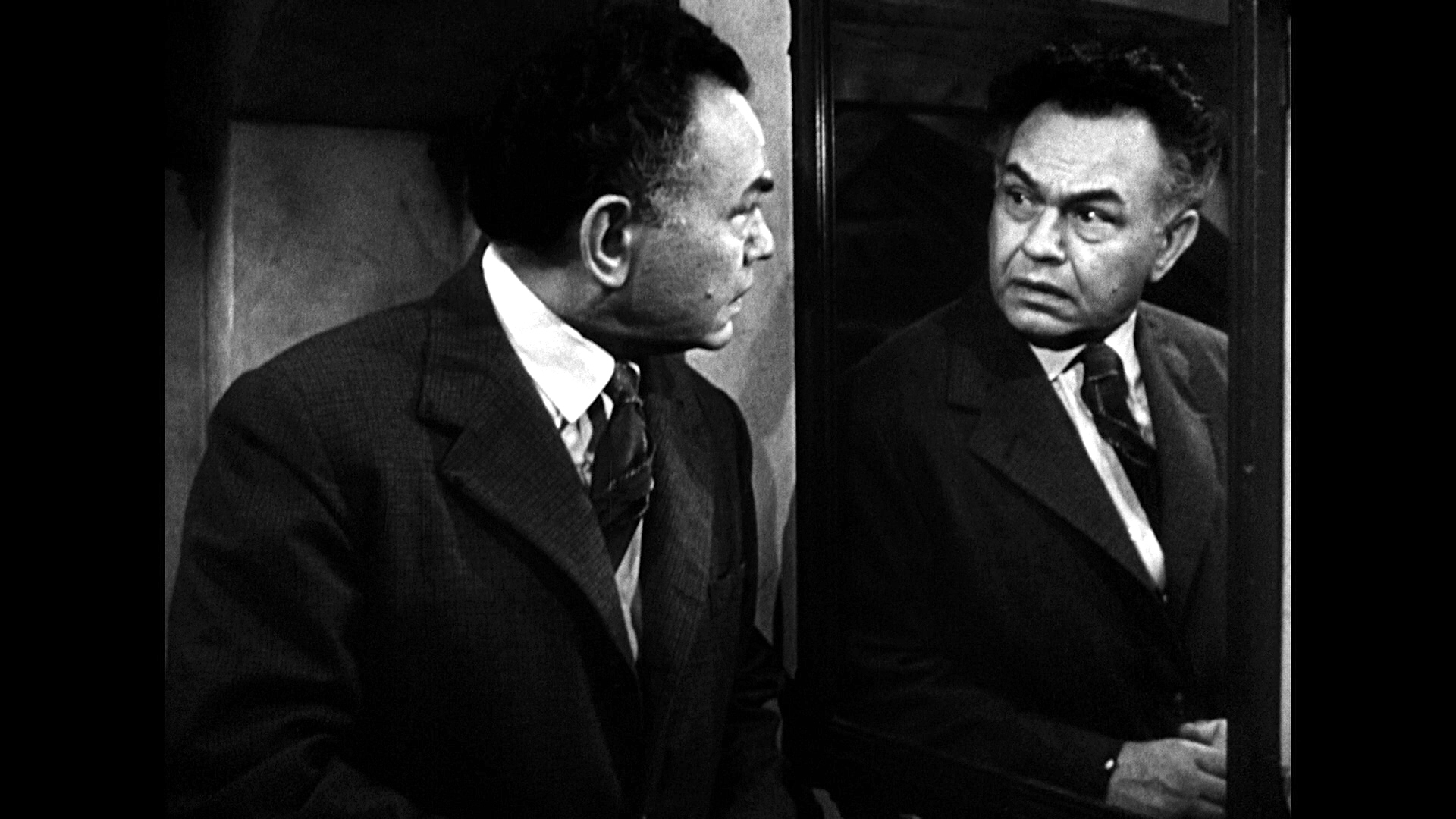
One Step Beyond: Film Noir and the Supernatural
Edward G. Robinson, ‘Night Has a Thousand Eyes’ (1948). We can all daydream of possessing special powers, because who wouldn’t want greater insight into their life and extraordinary abilities to manipulate the hands of fate? But if there’s one thing that speculative fiction teaches us is that supernatural powers — mind reading, communicating with the…
-
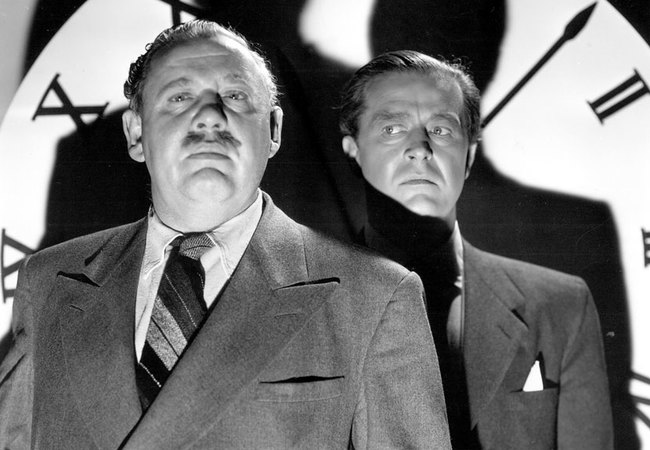
‘The Big Clock’: Time Runs Short for Crime Mag Editor
Charles Laughton and Ray Milland in ‘The Big Clock.’ At first glance, “The Big Clock” is merely a workplace crime drama set in a New York magazine publishing firm, a cold-blooded enterprise that gives new meaning to the phrase, “This job is killing me.” But beneath its surface, the film is satire, lampooning corporate…
-
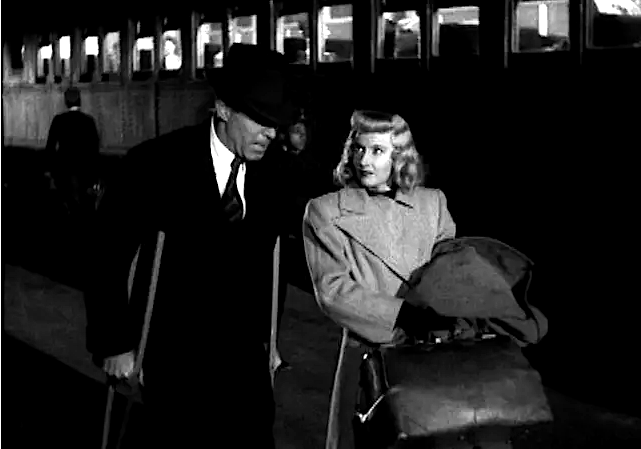
In ‘Double Indemnity,’ A Stalled Car is a Flash of Genius
Barbara Stanwyck and Fred MacMurray, in ‘Double Indemnity.’ As many times as we pore over “Double Indemnity,” there are still important bits that may be missed. Sometimes that leads to revelations that change our understanding of the film. I’m not talking about the Raymond Chandler cameo that went unnoticed for decades — that was a…